Stories
Loneliness Costs Six Healthy Years: Study Reveals Impact on Disease-Free Life Expectancy
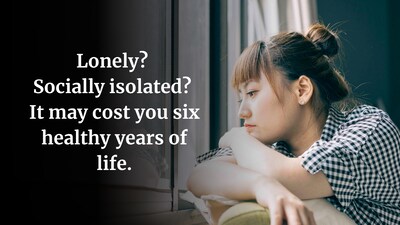
- •New research links loneliness and social isolation to fewer years lived free from major physical and mental health conditions.
- •A Tulane University study of over 277,000 UK Biobank adults found that those experiencing loneliness and social isolation had fewer disease-free years.
- •Women experiencing both loneliness and social isolation lived 2.4 fewer years free of major physical diseases, while men lost 1.7 years; mental health impacts were even greater, with men losing 5.8 years.
- •The study distinguishes between social isolation (objective lack of contact) and loneliness (subjective dissatisfaction with relationships), noting that one can be socially surrounded yet still feel lonely.
- •While healthy lifestyle habits can mitigate some health risks of social isolation, they did not significantly reduce the additional health risks associated with loneliness, suggesting a need to address social and emotional connections separately.
Key Questions Answered
Social isolation is an objective measure of the amount of social contact and connection a person has, whereas loneliness is subjective. Someone can have family, friends, and an active social life yet still feel lonely if they are dissatisfied with the quality of their relationships.
A study of adults aged 40 to 69 found that people experiencing loneliness and social isolation had fewer disease-free years compared to those experiencing neither. Women experiencing both conditions lived about 2.4 fewer years free of physical disease and 3.7 fewer years free of mental disorders, while men lived about 1.7 fewer years free of physical disease and 5.8 fewer years free of mental disorders.
Healthier lifestyle habits such as diet, exercise, sleep, and smoking reduction could mitigate some of the health losses linked to social isolation, but they did not significantly reduce the extra health risks tied to loneliness. This suggests addressing loneliness requires tackling social and emotional connections separately.