Stories
How Seasonal Shifts From Monsoon To Winter Transform India's Birdlife
F
Firstpost•13-10-2026, 12:48
How Seasonal Shifts From Monsoon To Winter Transform India's Birdlife
- •The Indian monsoon triggers a peak breeding and nesting season for resident birds due to abundant food and revived landscapes.
- •Post-monsoon transitions prompt altitudinal migrations from the Himalayas and localized dispersals across permanent water bodies.
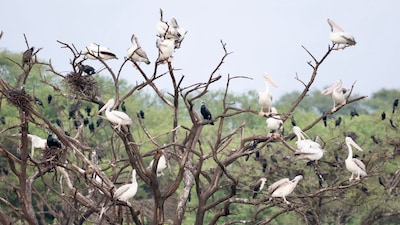
- •Winter brings millions of international migratory birds to India via the Central Asian Flyway to escape freezing conditions in Siberia and Central Asia.
- •Climate change is disrupting traditional avian schedules by causing delayed arrivals, early departures, and habitat loss from erratic weather.
- •Top winter bird-watching destinations in India include Keoladeo National Park, Chilika Lake, Sultanpur National Park, and Nameri National Park.
Key Questions Answered
The Indian monsoon, stretching from June to September, revives landscapes and creates a sudden abundance of food from insect and amphibian population explosions, which signals resident birds to begin breeding.
Warmer winters and delayed cold snaps in places like Siberia cause migratory species to arrive later and depart earlier, shortening their stay. Additionally, rising temperatures dry up shallow wetlands faster, forcing birds to seek alternative habitats and increasing conflicts with humans.
Key destinations include Keoladeo National Park in Bharatpur, Rajasthan; Chilika Lake in Odisha; Sultanpur National Park in Haryana; and Nameri National Park in Assam.