Stories
Aluminium vs. Stainless Steel Pressure Cooker: Which is Safer for Daily Cooking?
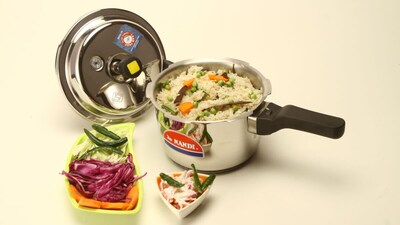
- •Choosing a pressure cooker involves considering material durability, cooking habits, maintenance, food compatibility, and long-term use.
- •Aluminium cookers are lightweight, heat quickly, and are more affordable, while stainless steel offers greater durability and resistance to corrosion and staining.
- •Stainless steel is generally preferred for daily cooking due to its durability, easier maintenance, and long-term use, especially for acidic foods.
- •Aluminium is a practical option for those prioritizing affordability, lighter weight, and fast heating for everyday staples like rice and dal.
- •Both types are safe when manufactured to standards and used correctly; proper construction, maintenance, and usage are crucial for safety.
Key Questions Answered
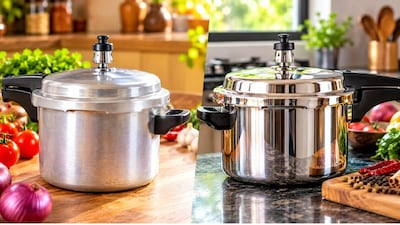
Both aluminium and stainless steel pressure cookers can be used safely for daily cooking if they are properly manufactured and used according to safety standards. However, stainless steel holds an advantage in terms of long-term durability, corrosion resistance, and surface wear.
Aluminium pressure cookers heat up faster and distribute heat more efficiently because aluminium is a superior thermal conductor. While stainless steel is less conductive on its own, many models feature multi-layered bases to improve heat distribution.
Stainless steel provides much better resistance to corrosion and staining, making it ideal for frequent exposure to acidic ingredients like tomato-based gravies or tamarind. Prolonged contact with acidic foods can affect an aluminium surface over time.