Stories
World Alzheimer's Day: Reduce Your Dementia Risk with These Key Strategies
- •Dementia is not an inevitable part of aging; scientists offer a more hopeful message, emphasizing modifiable risk factors.
- •The Lancet Commission identified 14 modifiable risk factors, accounting for an estimated 45% of global dementia cases, including lifestyle, health, and environmental factors.
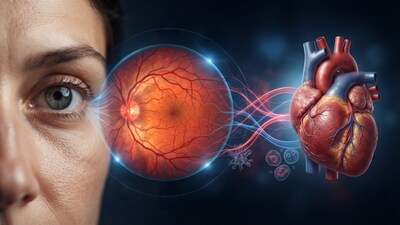
- •Heart and brain health are closely linked; managing blood pressure, blood sugar, and cholesterol is crucial for cognitive protection.
- •Addressing hearing and vision loss, staying physically active, and maintaining social connections are vital for brain health.
- •New blood tests aid in earlier Alzheimer's diagnosis, and disease-modifying treatments are emerging to slow progression, shifting focus from symptom management to underlying disease processes.
Key Questions Answered
The landmark 2024 update from the Lancet Commission identified 14 potentially modifiable risk factors associated with dementia. Together, these factors account for an estimated 45% of dementia cases globally.
In 2025, the US Food and Drug Administration cleared the first blood test designed to aid in diagnosing Alzheimer’s disease in adults aged 55 and older who show signs of cognitive decline. The test measures a specific ratio involving p-tau217 and beta-amyloid 1-42 in the blood.
Drugs such as lecanemab (Leqembi) and donanemab (Kisunla) are designed to target amyloid plaques and have been approved in the US for people at early stages of Alzheimer’s disease. However, they carry potential risks like brain swelling or bleeding and require careful clinical monitoring.