Stories
Flu Shot Timing is Crucial: When to Get Vaccinated Before Winter Hits
- •India saw a six-fold increase in H1N1 cases in Delhi by August 2026 compared to 2025, highlighting an earlier flu season.
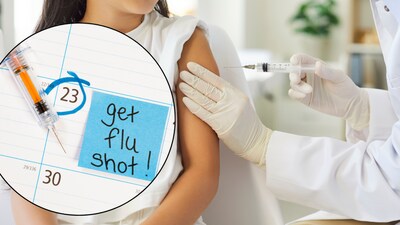
- •The WHO recommends vaccination just before the influenza season, as it takes about two weeks for antibodies to develop.
- •Ideal vaccination windows vary by region; some areas experience peak flu activity during monsoon, others in winter.
- •High-risk groups, including young children, seniors, pregnant women, and those with chronic conditions, should prioritize the flu vaccine.
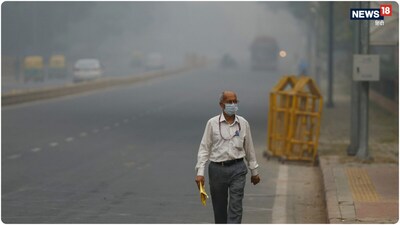
- •A flu shot protects against influenza viruses, not air pollution, but is crucial during periods of increased flu activity and poor air quality.
Key Questions Answered
Delhi recorded 1,777 H1N1 cases by August 20, 2026, compared to 229 during the same period in 2025, marking a more than six-fold increase. According to the Union Health Ministry and ICMR, the circulating H1N1 viruses remain consistent with seasonal influenza with no unusual genetic shift, and experts note that heightened testing and public awareness have contributed to the larger case numbers appearing this season.
The ideal time to get vaccinated is just before influenza activity reaches its seasonal peak. Since influenza timing varies across regions—with some areas seeing monsoon peaks and northern cities seeing winter peaks—September and October are generally considered the ideal vaccination window for most parts of India.
Health authorities advise that almost everyone aged six months and older can benefit from an annual flu shot. Protection is especially prioritized for young children under five, adults aged 65 and above, pregnant women, individuals with chronic conditions like asthma, diabetes, heart disease, or weakened immunity, as well as healthcare workers and caregivers.