Stories
Daily 100g Ultra-Processed Food Boosts Heart Risk by 14%, Study Warns

- •A new analysis of nearly 8.8 million adults found that every extra 100 grams of ultra-processed food (UPF) consumed daily was linked to a 14% higher risk of cardiovascular events.
- •The study, published in Family Medicine and Community Health, also associated the same UPF intake with an 11% higher risk of high blood pressure, 4% higher cancer risk, and 3% higher risk of death.
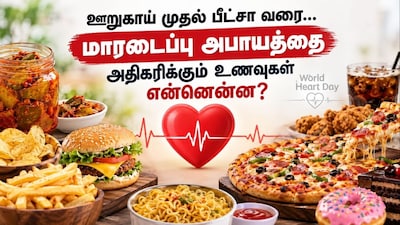
- •Ultra-processed foods are typically ready-to-eat or heat-and-serve products with extensive industrial processing, often high in sugar, salt, and additives, and low in fiber and nutrients.
- •UPFs may harm health through multiple pathways, including a "cocktail effect" of interacting additives and displacement of nutrient-rich foods, impacting the heart, blood sugar, gut, and liver.
- •To reduce exposure, replace packaged snacks and ready meals with vegetables, fruits, whole grains, legumes, and minimally processed foods, and check ingredient lists for additives.
Key Questions Answered
Every extra 100 grams of ultra-processed food consumed per day is linked to a 14% higher risk of cardiovascular events, an 11% higher risk of high blood pressure, a 4% higher cancer risk, a 3% higher risk of death from any cause, and a 2% higher risk of metabolic syndrome or diabetes.
Ultra-processed foods are ready-to-eat or heat-and-serve products that undergo extensive industrial processing, contain additives, and are usually high in energy, sugar, and salt while low in fiber. However, processed does not automatically mean ultra-processed, as items like frozen vegetables, canned foods, and freshly made bread can undergo processing without falling into this category.
People can replace packaged snacks, sugary drinks, processed meats, and ready meals with vegetables, fruits, whole grains, legumes, nuts, and minimally processed foods. Checking ingredient lists to avoid long strings of additives also helps reduce exposure.