Stories
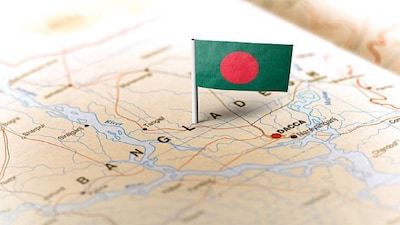
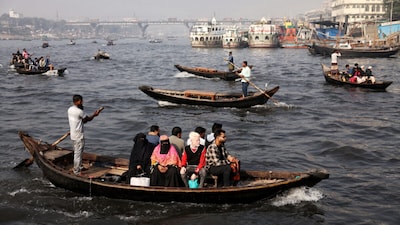
Bangladesh Measles Outbreak Kills Over 1,100: Is India Vulnerable to Immunity Gaps?
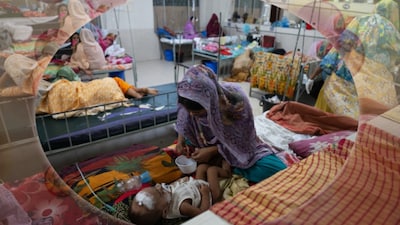
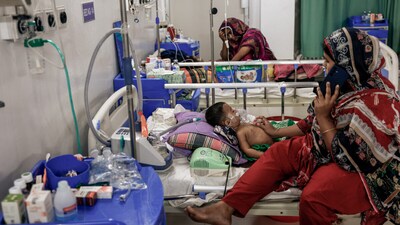
- •Bangladesh faces its deadliest measles outbreak with over 1,100 deaths and 2.11 lakh cases since March 2026, straining hospitals.
- •The outbreak is largely affecting unvaccinated children, with 83% of confirmed cases lacking prior measles vaccination.
- •Disruptions to routine immunization during the COVID-19 pandemic created immunity gaps, despite subsequent emergency vaccination campaigns.
- •India has made significant progress in childhood vaccination, reducing zero-dose children, but localized immunity gaps persist due to factors like migration and vaccine hesitancy.
- •Sustained surveillance, equitable vaccination coverage, and addressing community trust are crucial to prevent similar outbreaks in India and the wider South-East Asia Region.
Key Questions Answered
As of September 30, 2026, the death toll from measles and related symptoms in Bangladesh has crossed 1,100, with 101 deaths laboratory-confirmed. Additionally, more than 2.11 lakh cases have been recorded since March 15, and 1,68,655 patients have been hospitalized.
Routine immunization was disrupted during the COVID-19 pandemic, creating immunity gaps. Political and administrative challenges in 2024–2025 also impacted vaccine supply chains, while incomplete coverage in some areas and delayed responses in the early phase allowed transmission chains to persist.
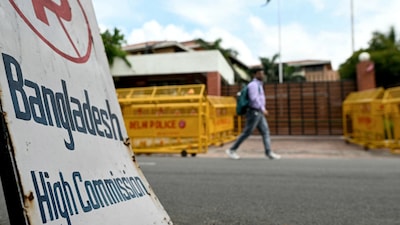
While India reduced its zero-dose children and achieved around 95% full measles protection with two doses in 2025, national averages hide local risks. WHO has documented localized outbreaks and vulnerabilities in India during 2026 driven by migration, vaccine hesitancy, and missed children in specific pockets like Delhi's Kailash Nagar.