Stories
Inside Dopamine Sites: Why People Love Ordering Meals That Never Arrive
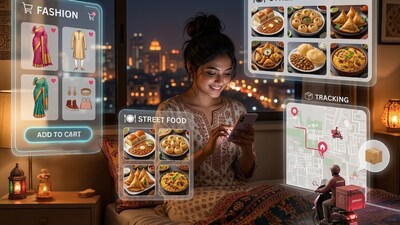
- •Dopamine sites are a growing internet trend originating in South Korea and spreading to India, letting users simulate food delivery, shopping, and breaks without financial or caloric consequences.
- •Websites like FoodNeverComes allow users to browse fake menus, add items to a cart, track non-existent couriers, and even view real recipes completely free of cost.
- •Neuroscience explains this trend through the separation of wanting and liking, where the anticipation of a reward triggers dopamine and provides a soothing ritual without the actual purchase.
- •Users turn to these virtual platforms for stress relief, low-pressure breaks, and a sense of shared presence during late-night cravings or moments of burnout.
- •While these sites help curb impulse spending and overeating, psychologists warn they may only temporarily mask underlying issues like loneliness or emotional stress.
Key Questions Answered
Dopamine sites are internet platforms that recreate the pleasurable rituals of shopping, food delivery, and taking breaks without any actual transactions or consequences. Users can browse menus, select items, click "pay," and track couriers who will never arrive.
The trend began gaining attention in South Korea earlier this year when a mechanical-engineering student in Seoul created a joke site called Food Never Arrives. Following that, developers worldwide began launching similar platforms, such as FoodNeverComes in India.
Young users turn to these platforms to experience the anticipation of reward and relieve stress without spending money or facing financial constraints. The sites provide an affordable form of digital comfort amid burnout, economic pressure, and late-night cravings.