Stories
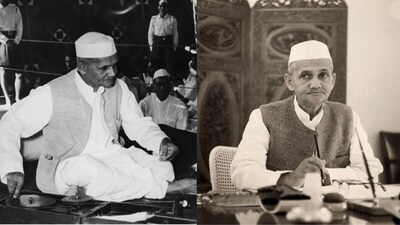
Lal Bahadur Shastri Jayanti 2026: Remembering the Architect of 'Jai Jawan, Jai Kisan'
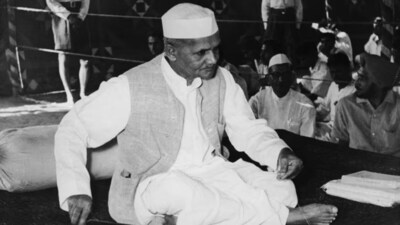
- •Lal Bahadur Shastri Jayanti 2026 marks the 122nd birth anniversary of India's former Prime Minister, born October 2, 1904, in Mughalsarai, Uttar Pradesh.
- •Shastri served as Prime Minister from June 9, 1964, to January 11, 1966, leading India through the 1965 India-Pakistan war and economic challenges.
- •His iconic slogan, "Jai Jawan, Jai Kisan," emphasized the critical roles of soldiers and farmers, gaining prominence during a period of security and food crises.
- •Shastri's legacy is defined by his simplicity, integrity, and leadership, including his resignation as Railway Minister on moral responsibility after an accident.
- •He died in Tashkent on January 11, 1966, hours after signing the Tashkent Declaration to resolve the 1965 conflict with Pakistan.
Key Questions Answered
Lal Bahadur Shastri Jayanti 2026 marks the 122nd birth anniversary of the former Prime Minister, celebrated on October 2 alongside Gandhi Jayanti. The day honours his contributions to India's freedom struggle, his leadership during challenging post-Independence years, and his enduring emphasis on the vital roles played by the nation's soldiers and farmers.
Lal Bahadur Shastri resigned from the Cabinet as Railway Minister after accepting moral responsibility for a major railway accident. Although Prime Minister Jawaharlal Nehru accepted his resignation and noted that Shastri was not personally responsible, the gesture became a defining example of political accountability and constitutional propriety.
The iconic slogan 'Jai Jawan, Jai Kisan' was coined by Lal Bahadur Shastri to highlight the crucial importance of India's soldiers and farmers during a time of security challenges and severe food shortages. The phrase symbolises national defence and agricultural strength, tying closely into his leadership during the 1965 India-Pakistan war and his support for the Green and White Revolutions.