Stories
Eight Temples to Visit This Navratri Along with Their Fascinating Legends and Local History
- •Shardiya Navratri celebrations span across the country featuring unique regional traditions and historical timelines.
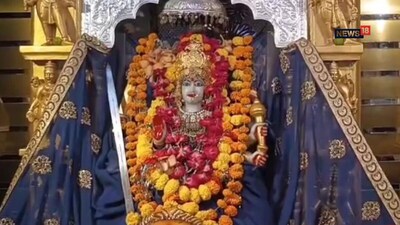
- •The Vaishno Devi shrine in Katra involves a 12 km journey tied to the legend of goddess Vaishnavi and Bhairon Nath.
- •At Jwala Ji in Kangra, eternal flames burn from rock fissures without an idol, commemorating the spot where Sati's tongue fell.
- •Kullu Dussehra famously begins on Vijayadashami and traces back to Raja Jagat Singh and the Raghunath idol from Ayodhya.
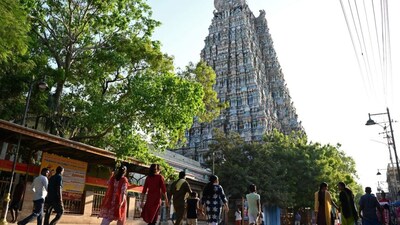
- •The historic temples of Kamakhya, Dakshineswar, Pavagadh, Chamundeshwari, and Meenakshi Amman hold deep cultural and mythological significance.
Key Questions Answered
Pilgrims visiting Vaishno Devi must register for free with the shrine board to receive an RFID yatra card, which is checked at the Banganga post and required to proceed. Additionally, visitors can walk the roughly 12 km route on foot from Katra or take a helicopter to Sanjhi Chhat, leaving about 2.5 km of walking.
The Kalika Mata temple sits atop an 800-metre hill in Gujarat that was besieged by Mahmud Begada from April 1483 to December 1484. According to a note from the temple trust, Mahmud Begada destroyed the temple's superstructure during this conquest, and a shrine to Sadanshah was subsequently built on top of it in 1511.
Kullu Dussehra dates back to the 17th century under Raja Jagat Singh, who fell ill after demanding pearls from a man named Durgadatta. A holy man named Krishnadas Payahari advised the king to bring the Raghunath idol from Ayodhya; after the king drank water used to wash the idol's feet, he recovered and declared himself the deity's regent.