Stories
Effective Remedies For Allergic Rhinitis And How To Reduce Morning Sneezing

- •Waking up with a runny nose and continuous sneezing is often a sign of allergic rhinitis.
- •Dust mites thriving in pillows and mattresses are a common cause of morning allergies.
- •Weather changes, strong fragrances, smoke, and pollution can also trigger non-allergic rhinitis.
- •Keep your bedding clean by washing bedsheets and pillowcases in hot water weekly.
- •Consult a doctor without delay if you experience prolonged sneezing, breathing trouble, or wheezing.
Key Questions Answered
Allergic rhinitis is a condition where the body overreacts to dust or minor elements when exposed. It often causes morning sneezing because dust mites—microscopic organisms that thrive in warm, humid environments and feed on dead skin cells—are frequently present in pillows and mattresses close to where we sleep.
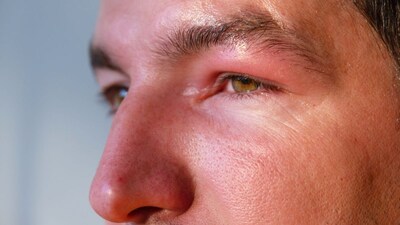
While allergic rhinitis is triggered by allergens like dust mites, non-allergic rhinitis is caused by factors such as weather changes, strong fragrances, smoke, pollution, dry room air, or acid reflux which irritate the nose. Additionally, allergies may include itchy or watery eyes, whereas viral infections typically involve fever, body aches, and sore throats.
To prevent sneezing, keep bedding clean by washing sheets and pillowcases in hot water weekly, replace old pillows every one to two years, and clean rooms using a damp cloth instead of a broom. Consult a doctor without delay if you experience daily sneezing for weeks, sleep disturbances, trouble breathing, or chest wheezing, and avoid taking medicines without expert advice.