Stories
Can Yellow Light Therapy Transform Your Skin Routine?
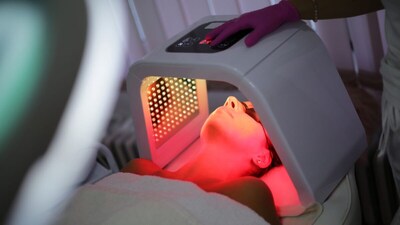
- •Yellow light therapy uses specific wavelengths of visible light typically around 570 to 590 nanometres to calm visible redness and support skin recovery.
- •Clinical studies suggest that yellow LED treatment can help reduce erythema, transepidermal water loss and sensitivity symptoms in sensitive skin.
- •Unlike red light for collagen or blue light for acne, yellow light is positioned as a gentler option for soothing irritation and evening complexion.
- •While research shows potential anti-inflammatory and skin-repair effects, results depend on wavelength, intensity and treatment protocols.
- •Consulting a dermatologist is recommended before starting light therapy, especially for those with existing skin conditions or light sensitivities.
Key Questions Answered
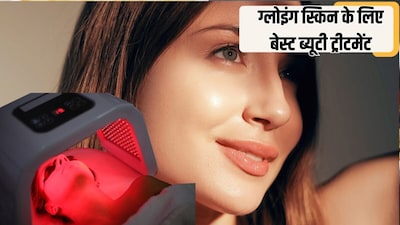
Yellow light therapy, or amber LED therapy, uses specific visible light wavelengths around 570 to 590 nanometres in a non-invasive process called photobiomodulation. This low-intensity light interacts with skin cells to influence cellular activity, offering potential anti-inflammatory and skin-repair effects that help calm visible redness and support skin recovery.
Red and near-infrared light are typically used to support collagen-related processes and reduce fine lines, while blue light targets acne-causing bacteria for acne-prone skin. In contrast, yellow or amber light is positioned as a gentler option specifically meant for calming visible redness and supporting a more even complexion.
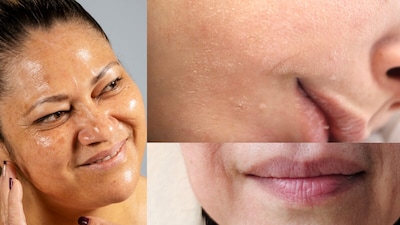
Studies have explored yellow LED light for photoaging and uneven skin tone, with a 2025 clinical study showing improvements in photoaged skin after eight weeks, though the yellow light was combined with other wavelengths. However, current findings are not yet strong enough to position yellow light as a standalone treatment for pigmentation disorders like melasma.