Stories
Judicial Propriety Questioned: Justice SC Sharma's Son ECI Counsel While Judge Heard ECI Cases

- •Questions of judicial propriety have arisen regarding Supreme Court Justice Satish Chandra Sharma, whose son serves as standing counsel for the Election Commission of India in the Madhya Pradesh High Court.
- •Justice Sharma recently heard matters involving the ECI, including challenges to the 2023 law governing the appointment of the Chief Election Commissioner and Election Commissioners.
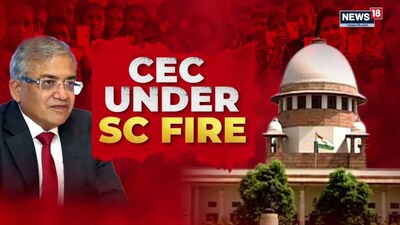
- •He also presided over a petition filed by Noida District Magistrate Medha Roopam, daughter of Chief Election Commissioner Gyanesh Kumar, against an Allahabad High Court judgment.
- •The LiveLaw report highlights that Justice Sharma's bench did not have the regular roster for the Roopam matter, and connected cases were before another bench.
- •The report raises questions of judicial propriety but does not amount to a finding of misconduct, conflict of interest, or bias against Justice Sharma.
Key Questions Answered
Questions of judicial propriety were raised because Justice Sharma's son serves as the standing counsel for the Election Commission of India in the Madhya Pradesh High Court, while Justice Sharma recently heard matters involving the poll body.
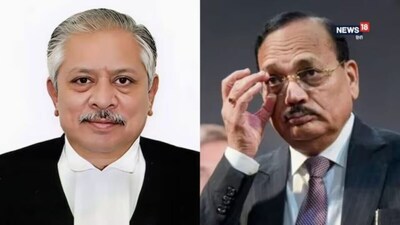
Justices Satish Chandra Sharma and Dipankar Datta delivered separate opinions on whether petitions challenging the 2023 law should be considered by a larger Constitution Bench. While Justice Sharma favoured a Constitution Bench, Justice Datta took a different view, and the matter was ultimately placed before the Chief Justice of India.
The Supreme Court clarified that its interim stay on the matter was strictly limited to the adverse observations against Noida District Magistrate Medha Roopam and the direction concerning compensation. However, the Allahabad High Court's decision quashing the detention of activist Akriti Chaudhary remained in force.