Stories
France's Unending Protest Culture: From 1789 Revolution to Today's Student Uprising!

- •France's education system, once a global model, now faces dilapidation due to insufficient funding, impacting infrastructure and quality.
- •Teacher shortages, driven by low salaries and increased workload, have led to a decline in educational standards, sparking student protests.
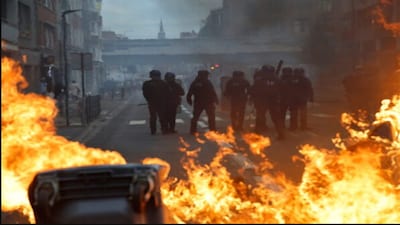
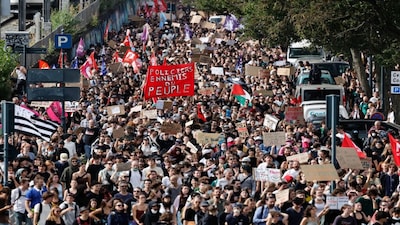
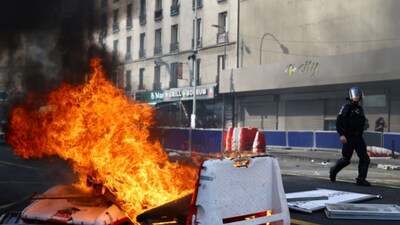
- •The 1789 French Revolution, the May 1968 student and worker protests, and the Yellow Vests Movement form the bedrock of France's protest culture.
- •The 1968 protests popularized the slogan "Be realistic, demand the impossible!", reflecting the deep-seated protest spirit in France.
- •Current student protests highlight critical issues like financial crisis, teacher shortages, and decaying infrastructure, echoing historical grievances.
Key Questions Answered
The student protests were triggered by decades of insufficient school funding leading to dilapidated infrastructure like collapsing roofs and water leaks, alongside low teacher salaries and increased workloads causing severe staff shortages and reliance on temporary teachers.
The May 1968 protests sparked the largest general strike in French history involving over 10 million workers, brought the economy to a standstill, nearly collapsed President Charles de Gaulle's government, and introduced major reforms like wage increases and women's liberation.
The Yellow Vests Movement began in November 2018 in response to President Emmanuel Macron's decision to raise carbon taxes on petrol and diesel. It quickly escalated into a widespread uprising against economic inequality and financial burdens, forcing the government to withdraw the tax hike and offer relief measures.