Stories
Supreme Court Demands Real Safety for Women in Delhi-NCR, Not Just Paper Measures
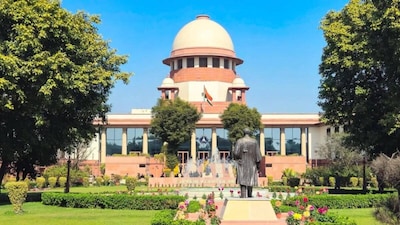
- •The Supreme Court emphasized that every woman in Delhi-NCR must feel safe in public spaces, day or night, stressing that safety measures cannot remain theoretical.
- •The court questioned the effectiveness of surveillance infrastructure, asking how CCTV prevents crime without continuous monitoring or a "war room."
- •It highlighted the need for grassroots action, stating that merely putting measures on paper is insufficient in a country like India.
- •The court urged authorities to adopt strict measures without hesitation, even if they face objections, to ensure women's safety.
- •This hearing follows the Supreme Court's suo motu cognisance of recent rape and sexual assault incidents, focusing on institutional failures and effective preventive mechanisms.
Key Questions Answered
The Supreme Court stressed that its endeavor is to ensure every woman in Delhi-NCR feels safe while moving through public spaces, stating that safety cannot remain confined to measures on paper and that women should feel secure even walking at 10 PM.
The Supreme Court took suo motu cognisance following a series of incidents, including the alleged gang rape of a 17-year-old at Aastha Kunj Park, the gang rape and murder of a teenager in Swaroop Nagar, and the sexual assault of a minor on a moving sleeper bus traveling from Greater Noida to Delhi.
The Supreme Court demanded a comprehensive status report covering safety arrangements in parks, roads, public transport, markets, and educational institutions, specifically asking about surveillance effectiveness, the use of the National Database on Sexual Offenders, and the status of projects like Mission Shakti and the Safe City Project.