Stories
Can the Election Commission Chief Be Removed Amid INDIA Bloc Protests?
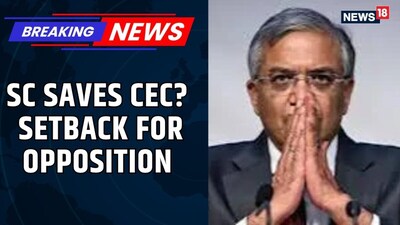
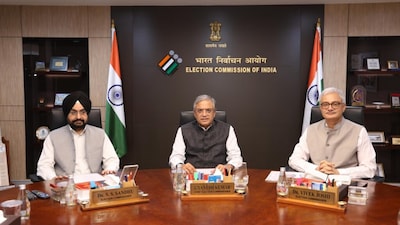
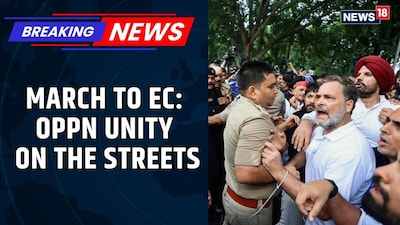
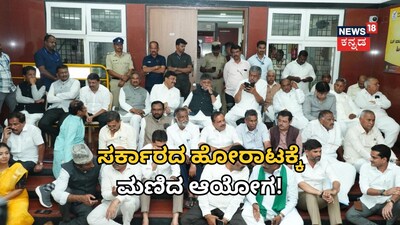
- •The INDIA bloc has intensified protests and legal action demanding the resignation of Chief Election Commissioner Gyanesh Kumar over alleged electoral roll irregularities.
- •Experts note that the Chief Election Commissioner can only be removed through a formal impeachment process or voluntary resignation.
- •Legal and political analysts have raised concerns regarding the state handling of peaceful protests and restrictions on demonstrations under Section 163.
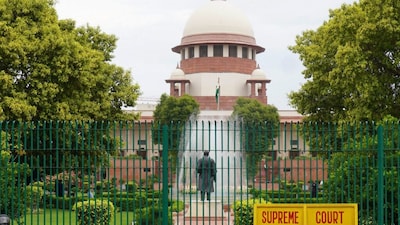
- •Rahul Gandhi’s legal team has filed a petition in the Supreme Court following protests and debates over the implementation of the Special Intensive Revision of electoral rolls.
Key Questions Answered
The Chief Election Commissioner can step down voluntarily by submitting a written resignation letter addressed to the President of India. Alternatively, removal from office can only occur through impeachment proceedings or formal removal on grounds of proven misbehaviour or incapacity, following a rigorous parliamentary process similar to that of a Supreme Court judge.
Authorities enforced restrictions on demonstrations, metro station closures, and movement by citing prohibitory orders issued under Section 163 of the Bharatiya Nagarik Suraksha Sanhita. Protesters and legal experts questioned the legality of these preventive detentions and the broader police handling of peaceful demonstrations.
While the Supreme Court previously upheld the validity of the Special Intensive Revision exercise during the Bihar elections, it has faced ongoing scrutiny regarding how the process was implemented. Critics and petitioners argue that the current execution has led to the wrongful removal of legitimate voters, prompting the court to examine implementation concerns while declining interim suspension orders against the CEC.