Stories
16 States Await Electoral Roll Revision Amid EC Differences: SIR vs SSR Explained
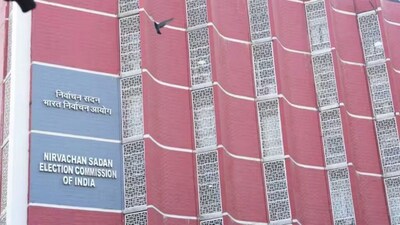
- •Sixteen states and UTs are still waiting for the annual Special Summary Revision (SSR) of electoral rolls, while the Election Commission's Special Intensive Revision (SIR) has updated rolls in other regions.
- •The delay in SSR has raised concerns about voter registration, the inclusion of young electors, and the timely updating of electoral rolls.
- •SIR involves detailed house-to-house verification by Booth Level Officers (BLOs), whereas SSR includes pre-revision activities, draft publication, inviting claims and objections, and final roll updates.
- •The annual SSR was paused after 2024, skipped in 2025, and not announced for 2026, leading to questions about the formal inclusion of new voters.
- •The 1980-81 Ramakrishna Hegde vs Election Commission of India case highlighted the EC's constitutional duty to ensure updated electoral rolls and prevent administrative inefficiency from defeating citizens' voting rights.
Key Questions Answered
The Special Intensive Revision (SIR) involves detailed verification like house-to-house visits by Booth Level Officers to check voter details. Meanwhile, the Special Summary Revision (SSR) involves pre-revision activities, publishing a draft electoral roll, and inviting claims and objections before updating and publishing the final roll.
Sixteen States and UTs are awaiting the annual Special Summary Revision (SSR) of their electoral rolls. Himachal Pradesh, Ladakh, and Jammu and Kashmir currently rely on electoral rolls published in 2024, while Bihar uses its 2025 electoral roll following its first SIR exercise.
The Delhi High Court held that an incomplete revision should not be used to block a notified election. It underlined the Election Commission's constitutional responsibility to ensure eligible citizens are registered and that rolls remain updated without administrative laxity.