Stories
Internet Access Is a Fundamental Right for Children, Supreme Court Rules
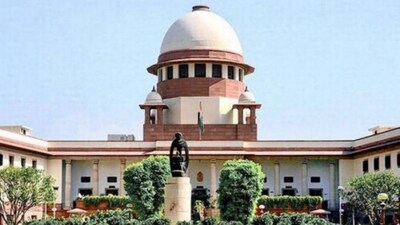
- •The Supreme Court declared internet access as a fundamental right under Articles 21 and 19(1)(a), stating that children cannot be entirely denied this right.
- •A bench of Justice JB Pardiwala and Justice K Vinod Chandran noted that denying internet access to children would be as absurd as saying they have no conscience or freedom of speech.
- •The Court rejected blanket restrictions on children's internet usage, warning that such bans could drive them to unregulated platforms and discourage them from reporting online abuse.
- •Instead of total bans, the bench suggested age-appropriate safeguards such as parental consent, supervision, default private accounts, and a dedicated child mode.
- •The Supreme Court also issued directions to strengthen mechanisms for detecting and removing child sexual exploitation and abuse material from online platforms.
Key Questions Answered
The Supreme Court declared that the right to access and use the internet is a fundamental right protected under Articles 21 and 19(1)(a) of the Constitution, ensuring that children enjoy the same fundamental protections.
The Supreme Court rejected blanket restrictions, stating that children may migrate to unregulated and more dangerous platforms. Furthermore, such measures could discourage abused or threatened children from reporting incidents to trusted adults out of fear of being punished for accessing the internet.
The Supreme Court suggested age-appropriate safeguards such as increased parental guidance, supervision, and consent. Potential measures include introducing a dedicated child mode, making children's accounts private by default, limiting messages from unknown adults, and regulating ads.