Stories
F-35s in Jodhpur: India's Strategic Balancing Act Amidst Global Power Play
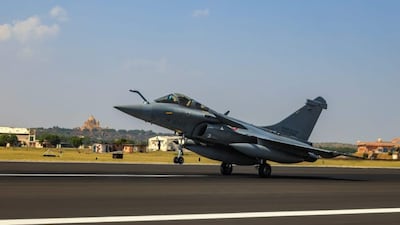
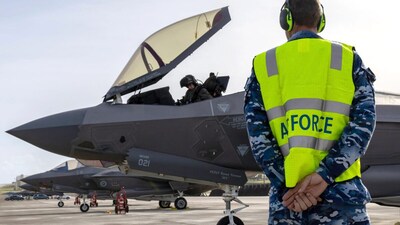
- •Six US Air Force F-35A Lightning II fighters are participating in Exercise Tarang Shakti in Jodhpur, showcasing India's expanding defense cooperation with Washington.
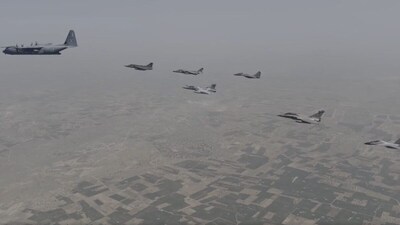
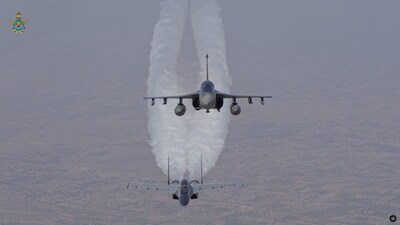
- •The exercise, running from September 26 to October 12, includes air assets from France, Germany, Bangladesh, Australia, Sri Lanka, and the UAE, with 32 other nations as observers.
- •India continues to deepen defense ties with the US while maintaining its long-standing military relationship with Russia, including the acquisition of the S-400 air-defense system.
- •This approach, termed "practiced multi-alignment," allows India to host diverse military platforms without abandoning existing partnerships, unlike Turkey's removal from the F-35 program after acquiring the S-400.
- •Tarang Shakti offers India an opportunity to assess various defense platforms for future acquisitions and diversifies its defense supplies, gaining exposure to advanced military systems while preserving strategic autonomy.
Key Questions Answered
The deployment of six US Air Force F-35A fighters to Jodhpur for Exercise Tarang Shakti highlights India's strategic balancing act. It allows New Delhi to deepen defence cooperation and interoperability with Washington while simultaneously maintaining its long-standing military relationship and Russian-origin systems like the S-400.
Exercise Tarang Shakti features air assets and personnel from countries including the United States, France, Germany, Bangladesh, Australia, Sri Lanka, and the UAE. Additionally, 32 other nations are taking part as observers to witness the multinational drills.
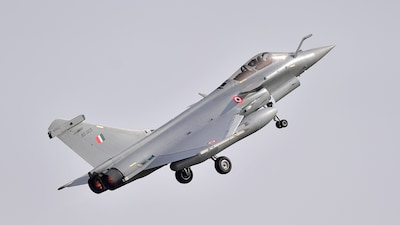
India practices multi-alignment, enabling it to host advanced Western aircraft like US fifth-generation fighters and French Rafales while continuing to operate and expand Russian military systems such as the Su-30MKI and S-400. This approach helps New Delhi preserve strategic autonomy, diversify defence supplies, and keep diplomatic channels open with major powers without forming formal military alliances.