Stories
Experts Question Centre Apology and Demand Answers on Delhi Protest Restrictions
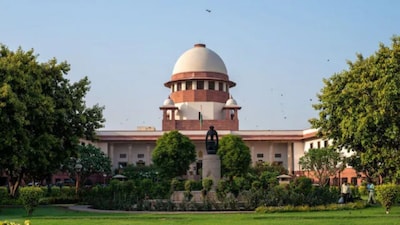
- •Former IPS officer Yashovardhan Azad and political analyst Sajjan Kumar questioned the Centre's response to Supreme Court contempt proceedings over the October 10 Delhi protests.
- •Azad criticized the scale of restrictions, including the shutdown of 245 trains and 45 metro stations, stating authorities must justify their threat assessment.
- •Kumar stated that an apology cannot be qualified or grudging and alleged wilful negligence in complying with judicial orders regarding movement regulation.
- •Azad called for safeguards for journalists covering protests, suggesting the mandatory use of body cameras and drones to prevent police harassment.
- •Kumar raised transparency concerns over the Special Intensive Revision of electoral rolls, questioning procedural defiance and the use of AI software.
Key Questions Answered
Experts like former IPS officer Yashovardhan Azad and political analyst Sajjan Kumar questioned the Home Affairs Secretary and Delhi Police Commissioner for tendering an unqualified apology while simultaneously seeking to qualify their actions. They argued that authorities failed to adequately explain why extreme measures—such as shutting down 245 trains, closing 45 metro stations, and cutting off internet services—were necessary.
A contempt petition was filed alleging that the Centre, Delhi Police, and the Delhi Metro Rail Corporation (DMRC) wilfully disobeyed Supreme Court directions by imposing blanket restrictions on public transport and communications ahead of the October 10 protests. The court had previously ruled that authorities should regulate movement rather than enforce a complete prohibition on transportation and internet access.
Political analyst Sajjan Kumar raised concerns that the Chief Election Commissioner defied established procedures during the Special Intensive Revision (SIR) of electoral rolls. He criticized the transition from manual processes to software and artificial intelligence, arguing that it created logical discrepancies, centralized information technology powers, and lacked transparency.