Stories
Ex-EC Ashok Lavasa Urges Election Commission to Regain Public Trust Amid SIR Row
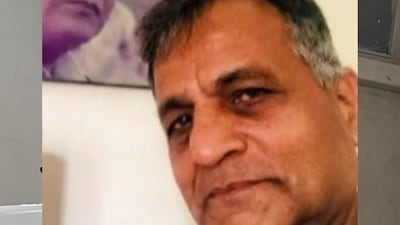
- •Former Election Commissioner Ashok Lavasa stated that the Election Commission must regain public trust and credibility amid controversies surrounding the Special Intensive Revision of electoral rolls.
- •Speaking at a citizens' convention in Kolkata, Lavasa emphasized that an electoral democracy requires a fair umpire to prevent aspersions on the winning team.
- •He criticized the current approach of the poll body, contrasting it with India's first CEC Sukumar Sen, and alleged that the focus has shifted from an inclusive approach to excluding people based on suspicion.
- •Lavasa raised concerns over the lack of transparency in the SIR exercise in West Bengal, noting that millions of people were placed under adjudication without clear criteria for logical discrepancies.
- •The Supreme Court is currently reviewing the matter following allegations from opposition parties regarding alterations to electoral rolls and demands for the resignation of the Chief Election Commissioner.
Key Questions Answered
Former Election Commissioner Ashok Lavasa expressed concern that the poll body's reputation has suffered and that it needs to regain public trust amid controversies surrounding the Special Intensive Revision (SIR) of electoral rolls. He noted that the commission's approach has shifted away from inclusivity and highlighted widespread confusion over logical discrepancies and appeals.
Ashok Lavasa stated that the Union government scored a self-goal by changing the law to remove the Chief Justice of India from the panel responsible for selecting Election Commissioners, leaving the process open to allegations of bias.
The Election Commission of India stated that it is fully committed to its constitutional duties and that all operational actions and SIR decisions were carried out unanimously with the agreement of all three election commissioners. The poll body also noted that written notes and differing views during deliberations are a normal part of its administrative functioning.