Stories
Why You Should Avoid Microdosing Weight-Loss Drugs
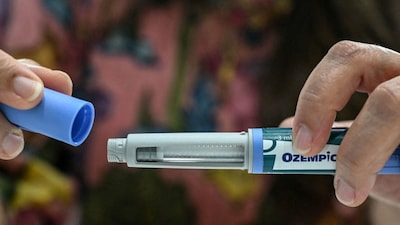
- •A growing trend on social media involves microdosing weight-loss drugs like semaglutide and tirzepatide by taking smaller or less frequent doses.
- •Dr Ambrish Mithal of Max Healthcare warns that microdosing lacks long-term safety data and clinical evidence compared to approved regimens.
- •Unsupervised dose adjustments can lead to unpredictable drug exposure, reduced effectiveness, and unmonitored health risks.
- •GLP-1 therapies offer vital metabolic, cardiovascular, and kidney benefits beyond mere weight loss, which may not occur with very low doses.
- •Patients struggling with cost or side effects should consult healthcare professionals for safe alternatives rather than following online trends.
Key Questions Answered
Microdosing involves taking doses substantially below recommended maintenance levels or manipulating injection devices to administer smaller amounts based on social media trends. In contrast, a medically appropriate starting dose, such as 0.25 mg weekly for semaglutide, is gradually escalated over time to help the body adapt and minimize gastrointestinal side effects under clinical supervision.
While lower exposure may reduce the severity of certain dose-related gastrointestinal side effects, it does not automatically make the treatment risk-free. Unconventional dosing regimens lack long-term safety data, and independent schedule adjustments can lead to unpredictable drug exposure and compromised effectiveness.
GLP-1 therapies provide vital metabolic, cardiovascular, and kidney benefits alongside weight management, meaning they are not merely cosmetic products. Using them without proper medical supervision for minor weight loss or aesthetic goals ignores complex individual metabolic responses and raises serious health risks.