Stories
UP Drug Regulator Cracks Down on Pharma Discount Loophole, Fights Counterfeit Medicines
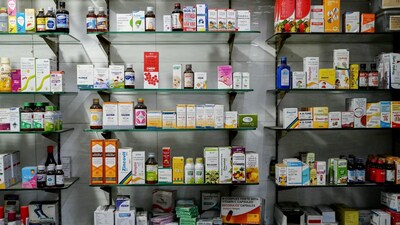
- •Uttar Pradesh's Food Safety and Drug Administration (FSDA) identified a loophole where pharmaceutical companies offer special discounts to doctors/hospitals but bill their own stockists, leading to medicines being resold at lower prices.
- •This practice allows stockists to unfairly boost business and has been exploited to introduce counterfeit and substandard drugs into the market, posing a significant public health risk.
- •The FSDA mandates that companies, agents, and stockists must now bill medicines directly to the actual doctor or institution receiving them, ensuring "Bill to" and "Shipped to" addresses are not separated.
- •Medicines with special discounts for hospitals or institutions must be clearly marked "institutional supply" on labels and packaging to prevent diversion.
- •For prescription medicines (Schedule H, H1, or X), sellers must only supply against a written, signed purchase order from a registered medical professional or facility, maintaining records for at least two years, with non-compliance leading to action under the Drugs and Cosmetics Act, 1940.
Key Questions Answered
The Food Safety and Drug Administration (FSDA) found that pharmaceutical companies were giving special discounts to doctors and hospitals through intermediaries while billing their own stockists. This loophole allowed stockists to divert medicines and use fake billing as cover to introduce counterfeit and substandard drugs into the market, putting ordinary patients at risk.
The FSDA has mandated that companies, agents, and stockists must bill medicines exclusively in the name of the actual recipient with matching "Bill to" and "Shipped to" addresses. Additionally, discounted institutional supplies must be clearly labeled as such, and prescription medicines under Schedules H, H1, or X must only be supplied against a written, signed purchase order kept on record for two years.
The FSDA order warns that if any firm is found supplying medicines in an unauthorized manner, strict action will be initiated against them under the Drugs and Cosmetics Act, 1940 and the rules made thereunder.