Stories
UN Meets on Pandemic Preparedness: Is the World Safer After Sars, Covid, and Mpox?
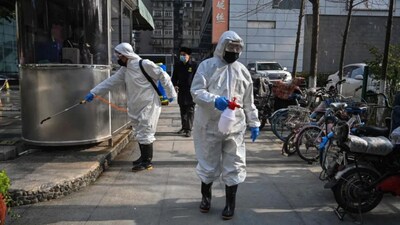
- •The UN is holding a high-level meeting on pandemic prevention, preparedness, and response, focusing on a multilateral and intergenerational approach built around equity and solidarity.
- •Significant developments include the adoption of the WHO Pandemic Agreement and the creation of new financing mechanisms like the Pandemic Fund, which has provided $885 million in grants to 75 countries.
- •Early warning systems have improved with investments in disease surveillance and pandemic intelligence, exemplified by the WHO Hub for Pandemic and Epidemic Intelligence in Berlin.
- •Major gaps remain, with 4.6 billion people lacking essential health service coverage and 2.1 billion experiencing financial hardship due to out-of-pocket healthcare spending in 2022.
- •Vaccine equity remains an unresolved lesson from Covid-19, with significant disparities in access between high- and low-income countries, highlighting ongoing challenges in equitable access to medical countermeasures.
Key Questions Answered
WHO member states adopted the Pandemic Agreement on May 20, 2025, after more than three years of negotiations. The agreement aims to strengthen international cooperation on pandemic prevention, preparedness, and response, focusing on equitable access to vaccines, medicines, and information.
Hosted by the World Bank, the Pandemic Fund was launched in 2022 to provide grants to low- and middle-income countries for preparedness and response. The World Bank stated that the first two funding rounds provided $885 million in grants while mobilizing an additional $6 billion in co-financing for 75 countries.
Negotiators remain divided over the Pathogen Access and Benefit-Sharing (PABS) annex. Global South members have expressed mistrust, fearing they will share dangerous pathogen samples without guaranteed, equitable access to resulting vaccines, tests, and therapeutics during a health crisis.