Stories
Why Electric Vehicles Might Be Causing More Motion Sickness
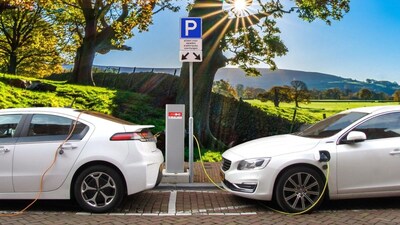
- •Global adoption of electric vehicles is surging, but reports of passenger motion sickness and nausea are also on the rise.
- •Medical experts and researchers note that passengers in the back or front seats are significantly more prone to nausea in EVs compared to traditional cars.
- •The lack of traditional engine noise, vibrations, and gear shifts deprives the brain of sensory cues needed to anticipate changes in speed and acceleration.
- •Instant torque and abrupt regenerative braking create unfamiliar low-frequency deceleration forces that can shock the brain.
- •Simple remedies like sitting in the front seat, keeping the head still against the headrest, and taking frequent trips can help the brain adapt over time.
Key Questions Answered
Researchers suggest that motion sickness in EVs is caused by a lack of prior experience and missing sensory cues. Traditional cars provide warning signals like engine revs, gear shifts, and vibrations, whereas EVs operate silently and deliver instant acceleration and low-frequency deceleration forces that can shock the unadapted brain.
As of September 2026, the global market share for new electric car purchases jumped to between 24 and 27 per cent. Monthly global sales for plug-in electric vehicle units are reported to be around 1.8 to 2 million.
To minimize motion sickness in electric vehicles, passengers can sit in the front passenger seat, look into the mirror if seated in the back, avoid using phones or keeping the head down, hold the head still against the headrest, recline the seat, or open the window for fresh air.