Stories
Understanding Form 6 and the Controversy Shaking India Electoral Process
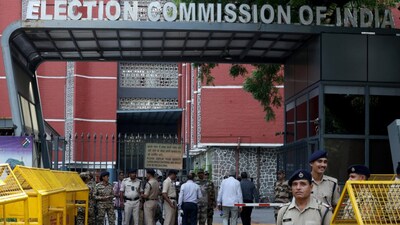
- •Form 6 is issued by the Election Commission of India as the official application for new voter registration and for deleted voters applying afresh.
- •A major political and legal controversy erupted after a new declaration was added to online Form 6 applications in July, requiring details linking applicants to past electoral rolls.
- •Election Commissioners Vivek Joshi and Sukhbir Singh Sandhu objected to the change, calling it unauthorized since only the Union government can amend rules under Section 28 of the Representation of the People Act 1950.
- •The Supreme Court clarified that it had not approved any modifications to Form 6, contradicting earlier claims by the Election Commission.
- •Opposition leaders criticized the changes as an illegal attempt that creates barriers for first-time voters, while the Election Commission defended its actions citing previous court orders.
Key Questions Answered
Form 6 is an application issued by the Election Commission of India for new voter registration as well as for previously deleted voters wishing to apply afresh. It requires personal details, proof of age and ordinary residence, and citizenship declarations.
A controversy erupted after an extra declaration was added to online Form 6 applications in July 2026, requiring applicants to link themselves or their ancestors to earlier electoral rolls. Election commissioners objected that this change required a formal rule amendment by the Union government, while critics argued it created barriers for Gen-Z first-time voters.
Chief Justice of India Surya Kant stated that the Supreme Court had not approved any modifications to Form 6, following legal challenges and pleas seeking the suspension of Chief Election Commissioner Gyanesh Kumar.