Stories
Saudi Crown Prince Vetoes Netanyahu Plan Against Houthis
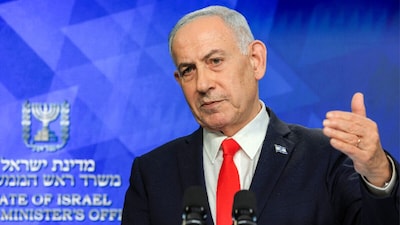
- •Saudi Crown Prince Mohammed bin Salman rejected Benjamin Netanyahu’s proposal for a joint military campaign against the Houthis to avoid severe public backlash across the Arab and Islamic world.
- •Netanyahu sought a backdoor alliance using shared military adversaries to bypass the Palestinian issue and achieve normalization without making concessions.
- •MBS viewed the proposal as a threat to domestic stability, preferring to preserve normalization as a diplomatic bargaining chip and protect fragile peace efforts in Yemen.
- •The rejection highlights the limits of the Abraham Accords strategy and demonstrates Saudi Arabia's strategic independence under a Saudi-first regional agenda.
Key Questions Answered
Saudi Crown Prince Mohammed bin Salman rejected Israeli Prime Minister Benjamin Netanyahu's proposal to join forces against the Houthis because he feared severe public backlash across the kingdom and the wider Islamic world. An open military partnership with Israel would have severely damaged the Saudi monarchy's domestic legitimacy and its status as the custodian of Islam's holiest sites.
Netanyahu's strategy relied on utilizing a shared military adversary to create a de facto military alliance, bypass deadlocked diplomatic tracks, and establish security cooperation independently of political agreements. By focusing strictly on a mutual security threat, he aimed to sideline Saudi Arabia's demand for a Palestinian state while establishing a united anti-Iran front.
The rejection demonstrated that the 'peace for peace' concept of normalizing relations without addressing the Palestinian conflict has reached its limit with Riyadh, while showing that Saudi Arabia is asserting strategic independence under a 'Saudi-first' agenda. It also increased Netanyahu's domestic isolation by leaving him without the major foreign policy victory he had promised the Israeli public.