Stories
Rahul Gandhi And Priyanka Vadra Detained: What Happens When MPs Face Preventive Detention?
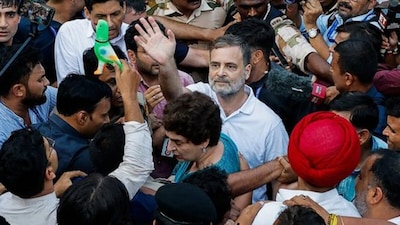
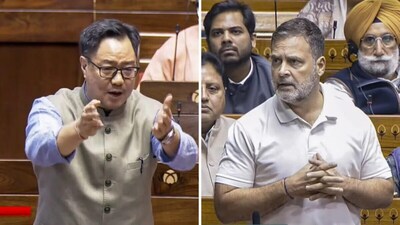
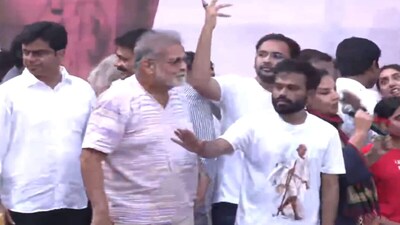
- •Congress leaders Rahul Gandhi and Priyanka Gandhi Vadra were detained alongside opposition MPs at Jantar Mantar while protesting against CEC Gyanesh Kumar over the Special Intensive Revision row.
- •Under Article 105 of the Indian Constitution, MPs have immunity from civil arrest during sessions, but this does not apply to criminal offenses or preventive detention outside Parliament.
- •Detained high-profile legislators are typically taken to nearby police stations or temporary holding sites rather than standard jail cells.
- •Police must immediately inform the Speaker of the Lok Sabha or Chairman of the Rajya Sabha about the detention, failing which it constitutes a breach of parliamentary privilege.
- •Preventive detention during protests is usually brief, and MPs are released within a few hours without a criminal record unless a formal FIR is filed.
Key Questions Answered
When MPs are temporarily detained during a public protest, police escort them into transit vehicles and bring them to nearby police stations or temporary holding sites rather than locking them in standard cells. The local police must immediately notify the presiding officer of the respective house with details of the detention, and detainees are typically released within a few hours once order is restored.
Under Article 105 of the Indian Constitution, MPs enjoy immunity from civil arrest 40 days before, during, and 40 days after a parliamentary session. However, this immunity explicitly does not extend to criminal offenses or preventive detention during demonstrations outside the Parliament complex.
Rahul Gandhi, Priyanka Gandhi Vadra, and other opposition MPs were detained for protesting against Chief Election Commissioner Gyanesh Kumar over the Special Intensive Revision row and attempting to march toward the Election Commission office.