Stories
Rahul Gandhi And His History Of High-Stakes Protests And Police Clashes
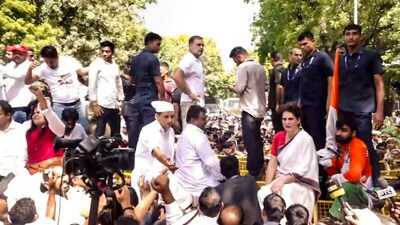
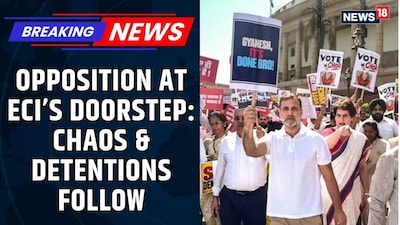
- •Rahul Gandhi and opposition leaders staged a dramatic sit-in inside Akashvani Bhavan after their march toward the Election Commission was halted by police.
- •Over the past 15 years, Gandhi has frequently clashed with police barricades during protests involving farmers, victims families, and government institutions.
- •Key historical flashpoints include his stealth entry into Bhatta Parsaul in 2011, protests in Mandsaur, and a march toward Hathras.
- •The BJP has consistently dismissed these protests as political drama and theatrics aimed at creating media spectacles and self-promotion.
- •Gandhi maintains that his actions are necessary to stand with the public and protect democracy against state restrictions.
Key Questions Answered
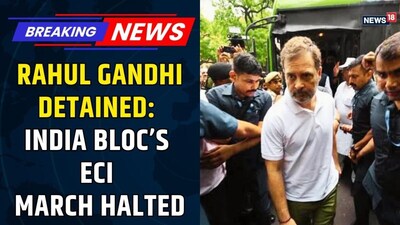
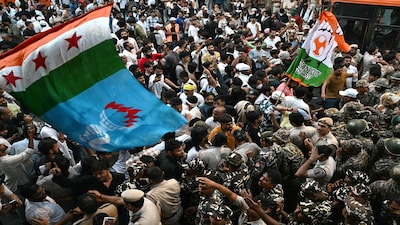
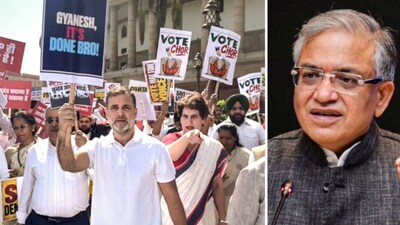
Rahul Gandhi and INDIA bloc leaders attempted to march towards the Election Commission on October 6, 2026, to demand the resignation of Chief Election Commissioner Gyanesh Kumar and protest the Special Intensive Revision of electoral rolls. After police stopped the march, Rahul and Priyanka Gandhi entered Akashvani Bhavan premises and staged an hours-long dharna before being removed and detained by police.
Rahul Gandhi defended the demonstration by stating he was standing to protect democracy in the country. Conversely, the BJP dismissed the protest as theatrics, with Union minister Kiren Rijiju calling it a drama and spokesperson Sambit Patra accusing the Congress of attempting to politically relaunch Rahul Gandhi by any means necessary.
In May 2011, Rahul Gandhi slipped past police cordons on a motorcycle to enter Bhatta Parsaul, the epicentre of a violent farmers' agitation against land acquisition, where he met villagers and sat on a dharna before being arrested under Section 151 of the CrPC. This incident set a recurring pattern where Gandhi bypasses barricades, meets protesters or victims, and faces detention, turning the confrontation into a core political message.