Stories
Pakistan Backs Saudi Arabia in Red Sea Conflict: What It Means for India

- •Saudi Arabia launched a major military offensive to reclaim the Bab el-Mandeb Strait from Yemen's Iran-backed Houthis, turning a vital shipping chokepoint into a major flashpoint.
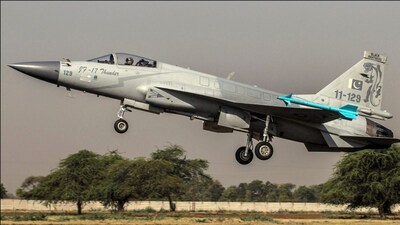
- •Pakistan and Turkey agreed to move towards rapid military deployments in Saudi Arabia under the Makkah Joint Defence Agreement, with Pakistan deploying troops and military hardware to the region.
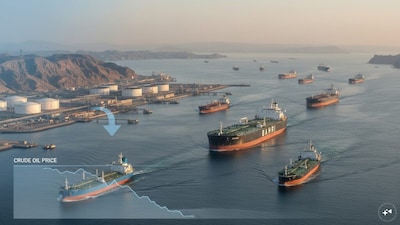
- •The Bab el-Mandeb Strait is a crucial maritime gateway through which about 80 percent of India's merchandise trade and over half of its crude oil imports pass.
- •A prolonged disruption in the Red Sea could force shipping companies to bypass the Suez Canal for the longer Cape of Good Hope route, driving up freight, insurance, and energy costs for India.
Key Questions Answered
The Bab el-Mandeb Strait connects the Red Sea with the Gulf of Aden, serving as a critical passage for ships traveling between Asia and Europe. Saudi Arabia views control of this waterway as essential to restoring maritime traffic and protecting its economic and energy interests after Houthi rebels seized positions nearby.
The Makkah Joint Defence Agreement, signed in August, dictates that an armed attack against one member nation must be treated as an attack against all. Pakistan's defense minister stated that the country is bound to defend Saudi Arabia and make its available military means accessible to the kingdom.
Approximately 80% of India's merchandise trade and over half of its crude oil imports transit through the Red Sea corridor and the Bab el-Mandeb Strait. Prolonged disruptions or shipping diversions around Africa can increase freight, insurance, and fuel costs, creating severe margin pressure for Indian exporters and businesses.