Stories
Japan Hikes Permanent Residency Fee 20-Fold, Adds Strict New Requirements
- •Japan has increased its permanent residency application fee from ¥10,000 to ¥200,000, a 20-fold rise, effective October 1, 2026.
- •New requirements include demonstrating a stable income above the Japanese average, meeting pension contribution criteria, and basic Japanese-language proficiency from April 2027.
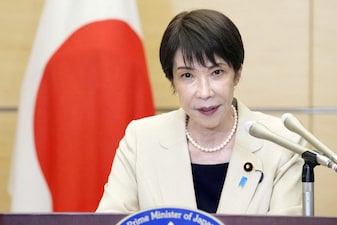
- •The changes are part of Prime Minister Sanae Takaichi's government efforts to tighten immigration controls amid a growing foreign resident population and debates over immigration.
- •Fees for changing residence status or extending stays have also increased, varying based on the length of stay granted, with online applications having separate, lower fees.
- •Despite tighter rules, Japan continues to rely on foreign workers to address labor shortages, with the foreign resident population exceeding 4.12 million at the end of 2025.
Key Questions Answered
Japan increased the permanent residency application fee 20-fold, raising it from ¥10,000 to ¥200,000 starting October 1, 2026. Additionally, applicants must demonstrate a stable income at or above the Japanese average (which was ¥5.75 million in 2024), meet specific pension contribution requirements, and fulfill a basic Japanese-language proficiency requirement starting in April 2027.
Fees for changing or extending residence status are now tiered by length of stay, ranging from ¥10,000 for stays up to three months up to ¥75,000 for stays of five years or more. Online applications feature separate, lower fee schedules.
Prime Minister Sanae Takaichi's government implemented tighter rules and higher fees to achieve "orderly coexistence" as the foreign resident population surpassed 4.12 million. While Japan heavily relies on foreign labor to counter severe demographic aging and labor shortages, the government is responding to growing domestic opposition, public concerns over infrastructure, and political sensitivity surrounding immigration.