Stories
Italy PM Giorgia Meloni Applies to Trademark Her Voice to Fight AI Deepfakes
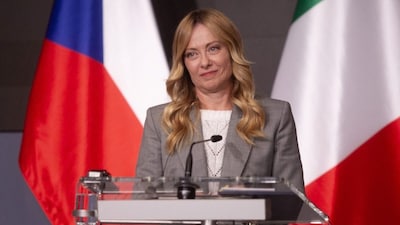
- •Italian Prime Minister Giorgia Meloni has applied to trademark her voice with the European Union Intellectual Property Office to combat AI-generated deepfakes.
- •The trademark application includes a four-second audio clip of her repeating 'I am Giorgia Meloni' in Italian, a phrase deeply tied to her political identity.
- •The move comes amid growing concerns over AI voice cloning and its potential to spread misinformation and influence the upcoming 2027 general election.
- •While the trademark will not stop AI software from cloning her voice, it will provide an additional legal tool to sue unauthorized users of the protected sound.
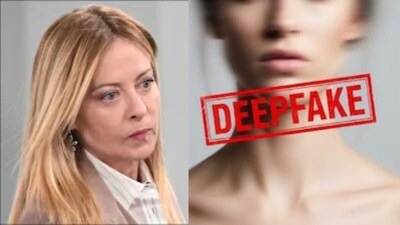
- •Meloni has previously been a victim of AI-generated fake content, including a viral deepfake image and pornographic deepfakes.
Key Questions Answered
Italian Prime Minister Giorgia Meloni applied to trademark her voice to combat growing concerns over AI-generated voice cloning and deepfakes ahead of the 2027 general election. Her application to the European Union Intellectual Property Office includes a four-second audio clip repeating the phrase "Io sono Giorgia Meloni" to establish an intellectual property tool against unauthorized uses.
The phrase originated during a 2019 political rally where Meloni declared, "I am Giorgia, I am a woman, I am a mother, I am Italian, I am Christian". It quickly became synonymous with her political identity, turned into a popular social media trend, and served as the title of her 2021 autobiography.
No, the trademark will not directly prevent AI software from cloning her voice or stop all AI-generated sentences. Instead, it provides an additional intellectual-property safeguard and legal obstacle, allowing her to file lawsuits if someone uses the protected sound or a relevant reproduction in an unauthorized context.