Stories
Who Protects Indian Seafarers in Conflict Zones? A Deep Dive into Maritime Security
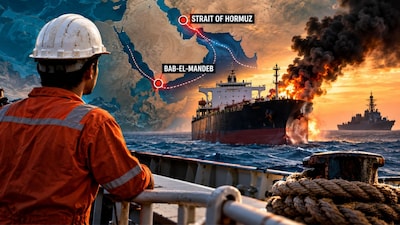
- •An Indian seafarer was killed in an attack on the MV Cape Dao off Oman, highlighting the risks faced by Indian nationals on commercial vessels in conflict zones.
- •Over 4,500 Indian seafarers operate in the Persian Gulf region, often on foreign-flagged ships, complicating protection and accountability.
- •The incident underscores the need for clearer protocols, stronger humanitarian arrangements, and accountability mechanisms for attacks on commercial shipping.
- •Families and unions demand significant compensation and government support for seafarers affected by attacks, including ex gratia payments and job recognition.
- •India, a major supplier of maritime labor, faces challenges in protecting its seafarers due to the complex interplay of flag states, coastal states, and international waters.
Key Questions Answered
The Forward Seamen’s Union of India and bereaved families have demanded at least $5 million per family from the US and Iran. They also urged the Indian government to provide ex gratia payments of Rs 1 crore, a government job on compassionate grounds, and recognition as martyrs for those killed.
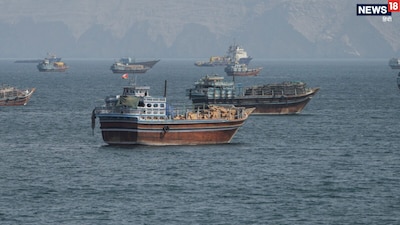
The Antigua and Barbuda-flagged bulk carrier MV Cape Dao carried 28 crew members, which included 20 Indian nationals. During the attack, a seafarer named Suraj Yadav died, one Indian crew member sustained a minor injury, and nineteen others were safely rescued.
In 2025, India had more than 3 lakh trained seafarers making up about 12% of the global maritime workforce, ranking as the third-largest supplier globally after China and the Philippines. Under the Maritime India Vision 2030, the country aims to expand its share to 20%.