Stories
India Matcha Boom Faces Threat As Japan Tea Shortages Push Prices Up
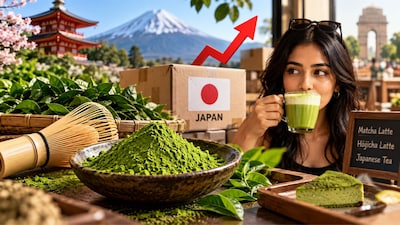
- •Matcha searches in India surged significantly over the past year as urban Gen Z consumers embrace trending beverages and Japanese tea culture.
- •Japan faces a severe structural undersupply of matcha and traditional teas because farmers are shifting fields from sencha and bancha to tencha.
- •A shrinking and ageing farming workforce, limited processing capacity, and climate-related crop pressures are keeping global matcha prices elevated.
- •Indian consumers and cafés may experience higher menu prices, smaller servings, or shifts toward alternatives like roasted Hōjicha.
- •Assam has produced India's first commercially grown matcha, though matching Japanese ceremonial quality and scale will require substantial time and investment.
Key Questions Answered
Japanese farmers are shifting their fields away from traditional teas like sencha, gyokuro, and bancha toward tencha, the shade-grown leaf used to make matcha, driven by higher global demand and economics. This structural shift has sharply reduced production volumes for traditional Japanese teas, leading to rising prices and purchase limits on items like bancha.
Japanese green tea exports reached a record ¥72.1 billion in 2025, which is almost double the previous year. Meanwhile, tencha prices surged from around ¥5,678 per kg in 2024 to ¥14,681 per kg in 2025, and Uji's tea market closed its 2026 season with machine-harvested tencha averaging ¥17,250 per kg.
Assam has become the first Indian state to commercially produce matcha tea, with the inaugural batch grown and processed at the Chota Tingrai Tea Estate in the Tinsukia district. The specialty variant was named Matcha Assamica and sold for ₹3,000 per kilogram at the Guwahati Tea Auction Centre.