Stories
Himalayan Hydropower: Can Rivers Withstand More Infrastructure Amid Rising Risks?
F
Firstpost•25-09-2026, 12:29
Himalayan Hydropower: Can Rivers Withstand More Infrastructure Amid Rising Risks?
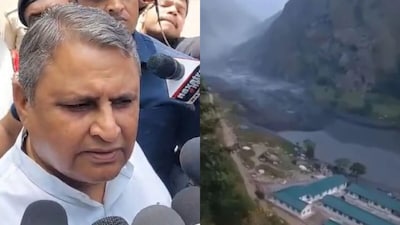
- •Himalayan hydropower projects face increasing risks from earthquakes, landslides, extreme rainfall, and glacial hazards, as highlighted by the 2023 South Lhonak Lake flood that destroyed the Teesta III project.
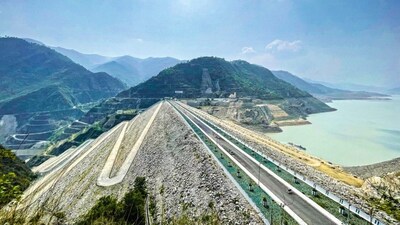
- •Over 600 dams span Himalayan rivers across the Indus, Ganga, and Brahmaputra basins, with concerns that risk assessments often focus on individual sites rather than the entire mountain system.
- •Changing climate conditions, including glacier melt and altered precipitation, create uncertainty for hydropower, affecting water availability and increasing extreme flow intensity.
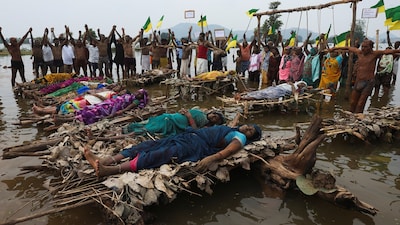
- •Experts like Maharaj K Pandit and Manshi Asher emphasize the need for a systems-thinking approach, strategic environmental assessments, and robust monitoring beyond individual projects to account for cumulative impacts and socio-environmental costs.
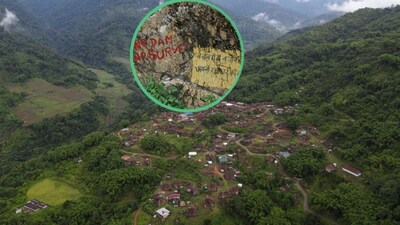
- •Despite existing scientific and institutional capacity, past disasters like Kedarnath (2013) and Tapovan (2021) show a gap between identifying risks and implementing effective mitigation and compliance measures.
Key Questions Answered
A 2024 assessment highlights that Himalayan rivers feature more than 600 dams spanning the Indus, Ganga, and Brahmaputra basins, while the Centre's 2023 National Register lists 89 large specified dams across several Himalayan regions.
The Teesta III hydropower project was destroyed when South Lhonak Lake burst in Sikkim, releasing an enormous flood driven by a massive collapse of frozen lateral moraine into the lake.
Following the South Lhonak disaster, the Central Water Commission reviewed design-flood requirements for vulnerable existing and under-construction dams, completed GLOF studies for 31 of 47 identified high-risk dams, and mandated GLOF studies for new projects.