Stories
Flydubai Hijack Scare: Pilots' Mid-Air Brawl Exposes Cockpit Vulnerability
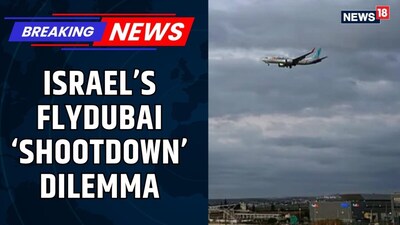
- •Flydubai Flight FZ1073 transmitted Squawk 7500, triggering a high alert across West Asia and scrambling Israeli fighter jets.
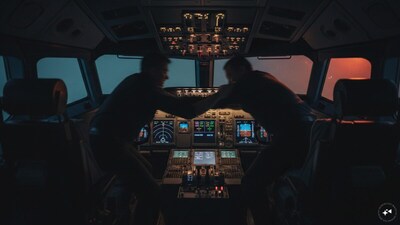
- •Investigators discovered the threat was an altercation between the two pilots inside the locked cockpit, causing sudden altitude fluctuations.
- •Post-9/11 cockpit security measures, like bulletproof doors, prevent external intrusion but create challenges if a pilot becomes a threat.
- •Airliners have redundant flight controls and emergency override systems, but resolving a physical struggle in a confined cockpit remains complex.
- •The "Two-Person Rule" and external keypads aim to prevent single-pilot isolation, while future solutions may include biometric monitoring and remote ground-override technologies.
Key Questions Answered
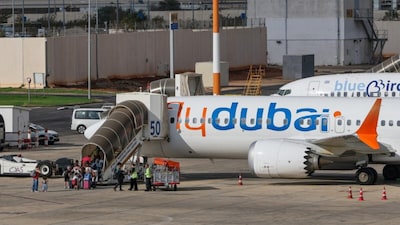
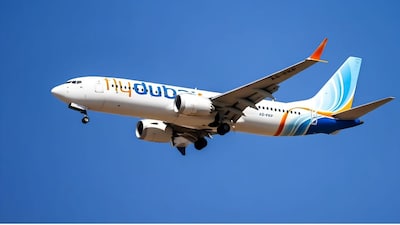
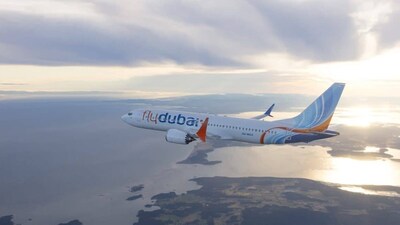
Squawk 7500 is the universal transponder code for unlawful interference and hijacking, which was transmitted by Flydubai Flight FZ1073. Instead of an external intruder, a violent mid-air altercation broke out inside the locked cockpit between the two operating pilots, causing sudden altitude fluctuations and the plane's safe diversion to Tabuk, Saudi Arabia.
Following the September 11, 2001, attacks, modern airliners were equipped with bulletproof, impact-resistant armoured cockpit doors that remain locked automatically and can only be unbolted from the inside. While this successfully prevented cabin intruder access, it inadvertently created an impenetrable vault that complicates intervention if a pilot suffers a medical emergency, breakdown, or turns hostile.
A numeric keypad near the cabin entry door allows crew to enter a secret emergency code that triggers an automated timer, unlocking the door after 30 to 60 seconds unless a pilot actively denies access. Additionally, many airlines implemented strict two-person rules requiring a cabin crew member to enter the flight deck whenever a pilot leaves, preventing isolation at the controls.