Stories
Flydubai Hijack Scare Exposes Gaps in Israel's Gold Standard Aviation Security
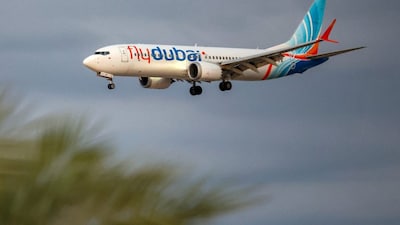
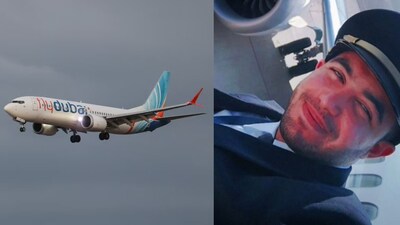
- •A mid-air crisis on Flydubai Flight FZ1073, with an alleged internal terror-hijack attempt by the co-pilot, revealed dangerous gaps in Israel's aviation security, despite its reputation as the world's strictest.
- •Israeli passengers intervened to subdue the attacker and administer first aid to the wounded pilot, leading to a safe diversion to Tabuk Regional Airport in Saudi Arabia.
- •The incident prompted Israeli Prime Minister Benjamin Netanyahu to order a re-evaluation of security protocols for both domestic and foreign carriers operating flights to and from Israel.
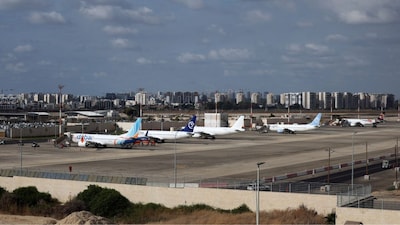
- •Israel's aviation security, primarily led by Shin Bet, is intelligence-led, human-centric, and proactive, focusing on detecting hostile intent through behavioral profiling and multi-layered defense rings at Ben Gurion Airport.
- •New regulations require foreign airlines to submit full crew manifests for advance clearance, with Israel reserving the right to deny entry to personnel from hostile nations or those failing background checks.
Key Questions Answered
Flydubai Flight FZ1073 sent transponder distress signals over Saudi Arabian airspace, switching from code 7700 to squawk code 7500, which indicates an active hijacking or unlawful interference. Reports indicated an internal struggle where the Omani deputy pilot allegedly attacked the lead captain before passengers intervened and the flight safely diverted to Saudi Arabia.
Ben Gurion International Airport uses a system of five concentric security rings that escalate scrutiny as travelers approach. This includes outer perimeter checks, human behavioural profiling by trained military veterans, pre-check-in security interviews, advanced computed tomography baggage screening, and tactical units patrolling terminal gates.
Following emergency security consultations after the Flydubai crisis, Prime Minister Benjamin Netanyahu ordered aviation authorities to ramp up security screening and re-evaluate protocols for both domestic and foreign carriers. New regulations require foreign air carriers to submit crew manifest advance clearances and subject flight deck personnel to strict national security vetting before entering Israeli airspace.