Stories
Failed Execution: Christa Pike Survives Lethal Injection, Investigation Underway

- •Christa Pike, a convicted murderer, survived her execution in Tennessee after receiving two doses of pentobarbital.
- •Her lawyers reported she was in critical condition and experienced "unnecessary agony" and "superadded physical and mental suffering."
- •Pentobarbital is a sedative and central nervous system depressant, a Schedule II controlled substance with a high abuse potential.
- •The drug is used in executions, but concerns exist about its potential to cause pulmonary oedema and suffering.
- •Tennessee Governor Bill Lee has stayed Pike's execution and launched an investigation into the incident, with incorrect drug administration being a possible factor.
Key Questions Answered
Pentobarbital is a short-acting barbiturate sedative and central nervous system depressant commonly known by the brand name Nembutal. It functions by calming overactive nerves and shutting down areas of the brain when administered in high doses. Federal and state execution protocols use it as a single-drug lethal injection to cause unconsciousness and death.
Christa Pike remained alive in critical condition following two administered doses of pentobarbital on Wednesday, September 30, experiencing unnecessary agony and suffering. Medical experts suggest the drug may have failed to enter her bloodstream directly, leaking into surrounding tissue instead. Tennessee Governor Bill Lee has stayed her execution pending a third-party investigation.
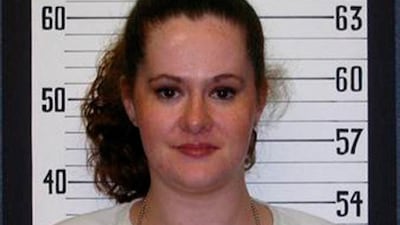
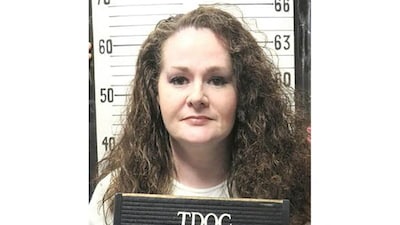
Christa Pike was convicted of the January 1995 first-degree murder of 19-year-old Colleen Slemmer, her classmate at the Knoxville Job Corps. Pike, who was 18 at the time, lured her romantic rival to a secluded area where she and accomplices brutally attacked the victim. She was subsequently sentenced to death in 1996 as the only woman on Tennessee's death row.