Stories
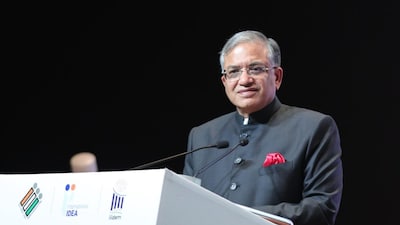
CEC Gyanesh Kumar Faces Resignation Calls Amid Voter List Controversy; Who Takes Over?
N
News18•27-09-2026, 11:55
CEC Gyanesh Kumar Faces Resignation Calls Amid Voter List Controversy; Who Takes Over?
- •Chief Election Commissioner (CEC) Gyanesh Kumar faces intensified calls for resignation from opposition parties and youth activist groups following an exposé revealing internal rifts and alleged irregularities within the Election Commission of India (ECI).
- •An investigative report by The Indian Express revealed that Election Commissioners Sukhbir Singh Sandhu and Vivek Joshi formally recorded objections and dissent notes 14 times over 10 months, claiming major administrative decisions were made without their knowledge or authorization.
- •The core dispute involves the Special Intensive Revision (SIR) process for updating electoral rolls, which opposition groups allege was manipulated to arbitrarily remove legitimate voters, specifically targeting those likely to support opposition parties.
- •Leader of the Opposition Rahul Gandhi accused the CEC of ‘vote theft’ and ‘treason,’ claiming the centralization of electoral rolls actively disenfranchised citizens.
- •If the CEC resigns, the resignation is submitted to the President of India. The ECI functions as a multi-member body, and the remaining Election Commissioners continue in office until a new CEC is appointed by the President based on the recommendation of a Selection Committee.
Key Questions Answered
Under Section 11(1) of the Chief Election Commissioner and Other Election Commissioners Act, 2023, the CEC must submit their resignation in writing directly to the President of India.
Indian law does not provide an automatic acting CEC position. If the CEC resigns, the remaining Election Commissioners continue in office, and day-to-day operations are handled collectively or via interim administrative directions from the government and President's office.
The President of India appoints a new CEC based on the recommendation of a Selection Committee consisting of the Prime Minister, a nominated Union Cabinet Minister, and the Leader of the Opposition, as laid out by the 2023 Act.