Stories
Can Software Delete Your Name From India's Voter List? Unpacking ERONET & ECINET
- •India's voter rolls are managed by the technical framework of ERONET and ECINET, designed to standardize voter registration, migration, and deletions.
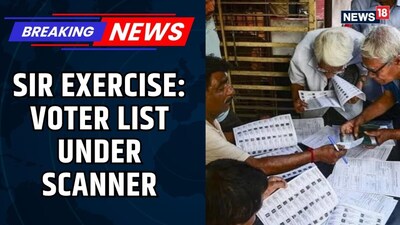
- •The Special Intensive Revision (SIR) drives have sparked debate over "logical discrepancies" flagged by algorithms cross-referencing current and historical voter data.
- •Inconsistencies often arise from minor name transliteration errors or improbable age gaps, leading to operational challenges for field staff.
- •Despite public discussion, neither ERONET nor ECINET has statutory authority to autonomously add or delete voters; they function as decision-support systems.
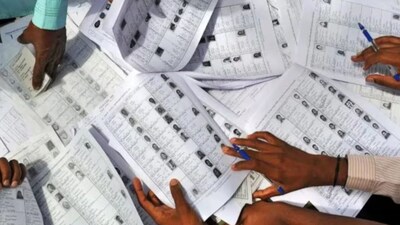
- •Legal authority for voter list modifications rests with local Electoral Registration Officers, who examine field reports and conduct physical verification before issuing formal orders.
Key Questions Answered
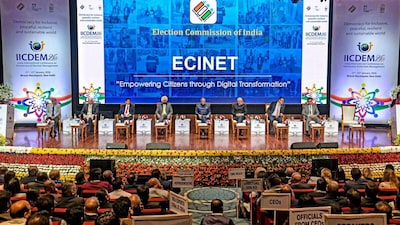
Launched by the Election Commission, ECINET is a comprehensive digital platform that integrates over 40 existing applications and portals—including the centralised form-processing system ERONET—under a single umbrella to streamline electoral management, candidate applications, and voter services across the country.
No, neither ERONET nor ECINET holds the statutory authority to autonomously add or delete a voter. The software functions strictly as a decision-support system that flags potential discrepancies for physical ground verification by Booth Level Officers, with absolute legal authority remaining with local Electoral Registration Officers under Section 15 of the Representation of the People Act.
The Election Commission of India ordered a formal review of the ECINET framework led by a senior-level committee headed by a Senior Deputy Election Commissioner. Crucially, the audit panel includes an independent technology expert from a premier institute, such as an IIT or IIIT, to certify database security and evaluate data-matching algorithms.