Stories
Blue Drums, Suitcases: Why Killers Use Common Containers to Hide Bodies
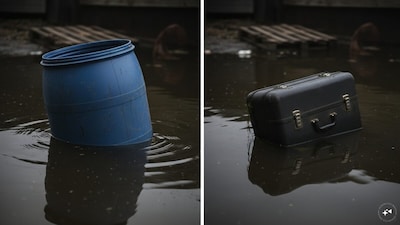
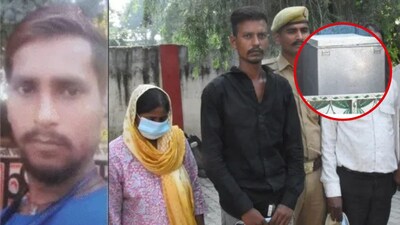
- •The conviction in the Saurabh Rajput murder case highlights the recurring use of blue plastic drums and luggage to conceal victims' remains, a trend seen across India.
- •The common availability of these items in Indian households allows perpetrators to acquire them without raising suspicion, exploiting their everyday utility.
- •Killers mistakenly believe these containers offer airtight seals and odour control, but standard consumer goods fail to contain decomposition gases and fluids.
- •The design of plastic drums and wheeled suitcases offers practical advantages for moving heavy bodies alone or in small groups, making concealment easier.
- •Forensic analysis easily extracts fingerprints, fibers, and DNA from these containers, and purchase trails via CCTV and digital payments often lead to convictions.
Key Questions Answered
Killers rely on everyday items like blue polyethylene drums and suitcases because they are widely available in local hardware shops without identity checks, blend into households, and help perpetrators exploit utilitarian anonymity during the initial hours after a crime.
No, offenders often act on the incorrect assumption that these containers provide airtight and leak-proof seals. In reality, standard consumer goods fail to contain biological decomposition, as gas pressure and chemical reactions quickly leak past gaskets and zippers to produce strong odours.
Forensic teams easily gather clear latent fingerprints, textile fibres, and DNA trace material from the smooth surfaces and zippers of these containers. Furthermore, police successfully trace purchasing routes using local CCTV footage and digital payment histories to secure convictions.