Stories
Government Pushes Solar Projects in Coastal States to Ease Transmission Bottlenecks
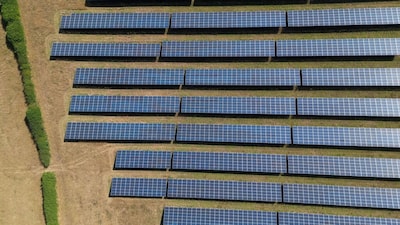
- •The Centre is promoting solar power projects in coastal states with high electricity demand to reduce pressure on transmission infrastructure.
- •Roughly 85% of India's solar capacity is concentrated in just five states like Rajasthan and Gujarat, creating long-distance transmission challenges.
- •Growing power demands from new data centres, such as Google's facility in Visakhapatnam, highlight the need for local coastal solar capacity.
- •Power Secretary Pankaj Agarwal noted that unused renewable energy presents opportunities for energy arbitrage and battery storage solutions.
- •A Cabinet note for the proposed National Electricity Policy 2026 has been moved to focus on financial strength in discoms and regulatory reforms.
Key Questions Answered
The Centre is pushing for more solar projects in coastal states with high electricity demand to reduce pressure on transmission infrastructure, bring renewable energy closer to large consumers, and address rising energy needs from growing data centres like Google's upcoming facility in Visakhapatnam.
A Cabinet note on the proposed National Electricity Policy (NEP) 2026 has been moved, focusing on financially stronger electricity distribution companies, wider access to open-access power procurement, and specific regulatory reforms. It also incorporates eligibility requirements for very large electricity consumers like green hydrogen projects and data centres.
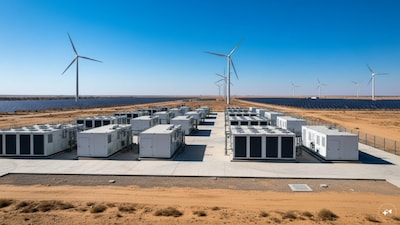
Energy arbitrage involves storing electricity when it is abundant or cheaper and using or selling it when demand or prices are higher. Power Secretary Pankaj Agarwal noted that un-transmittable renewable capacity from states like Rajasthan and Gujarat presents an opportunity for battery storage and energy arbitrage to prevent clean power from going unused.