Stories
States Raise Age Limits for Government Jobs: What It Means for Aspirants
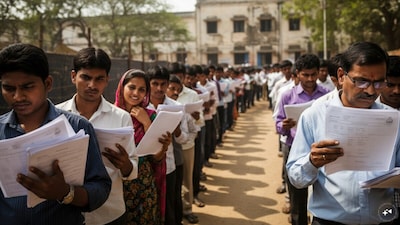
- •Andhra Pradesh increased the upper age limit for direct recruitment to non-uniform government services from 34 to 44 years, applicable until September 30, 2027.
- •West Bengal revised its maximum age limits for various state government posts to 41 for Group A, 44 for Group B, and 45 for Groups C and D.
- •Kerala Public Service Commission raised the upper age limit for the general category from 36 to 40 years, while Telangana previously increased its limit to 46 years for direct recruitment.
- •Raising the age limit provides more opportunities for candidates who have spent years preparing or faced recruitment delays, but it does not create additional vacancies.
- •Increased eligibility can lead to more candidates competing for the same number of posts, making the number of vacancies and recruitment frequency crucial for aspirants.
Key Questions Answered
States are increasing upper age limits because recruitment opportunities and selection cycles have faced delays and irregularities in recent years. This extension provides candidates who spent years preparing and whose eligibility lapsed with more time to compete for government positions.
West Bengal modified its recruitment rules to set the maximum age limits at 41 years for Group A posts, 44 years for Group B posts, and 45 years for Groups C and D posts. These revised regulations became effective starting May 11, 2026.
No, raising the upper age limit does not increase the total number of vacancies or guarantee selection. It only expands the pool of eligible candidates who can apply, meaning a higher number of applicants will compete for the same fixed number of posts.