Stories
Swaps Signal Risk of Outsized India RBI Rate Hike to Catch Global Trends
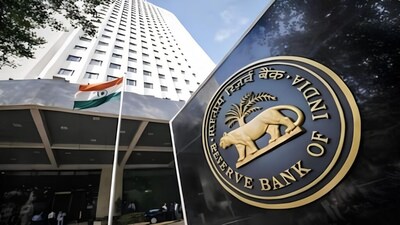
- •Swap pricing suggests the Reserve Bank of India may deliver a larger interest rate hike than expected on Wednesday to combat price pressures and surging global yields.
- •The 1-month overnight indexed swap is trading above the current repo rate, reflecting expectations of a potential 50-basis-point increase, though most economists polled by Reuters expect a 25-basis-point hike.
- •India's central bank has avoided raising interest rates earlier this year, leaving it with ground to cover as global peers tighten monetary policy.
- •Abundant banking-system liquidity has kept the overnight rate below the repo rate, meaning swap spreads understate the true market expectation for a jumbo rate hike.
- •Surging global bond yields and persistently high energy prices are increasing financial pressures, prompting emerging market central banks to tighten policy.
Key Questions Answered
The 1-month overnight indexed swap is trading at around 5.55%, which is 30 basis points above the current 5.25% repo rate. This suggests that a 25-basis-point increase is fully priced in, along with a modest probability of a larger 50-basis-point hike.
Bankers explain that the overnight rate used to settle the swap, known as MIBOR, has consistently traded below the repo rate due to abundant banking-system liquidity. This dynamic renders the 30-basis-point spread a less reliable gauge, meaning the market actually assigns a higher probability to an outsized rate increase than the headline spread suggests.
Surging global bond yields and persistently high energy prices are driving concerns that inflation will remain sticky, prompting tighter monetary policies worldwide. As tightening global financial conditions increasingly shape the RBI's reaction function, analysts note an outside risk of a 50-basis-point hike to catch up with global trends.