Stories
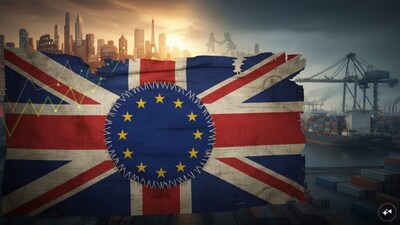
10 Years Post-Brexit: Is Britain Considering Rejoining Europe Amidst Economic Woes?
C
CNBC Awaaz•02-10-2026, 13:46
10 Years Post-Brexit: Is Britain Considering Rejoining Europe Amidst Economic Woes?
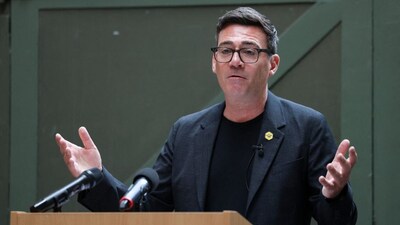
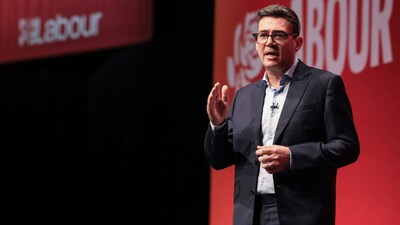
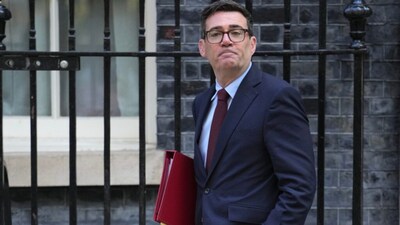
- •After 10 years, Britain is re-evaluating its relationship with the European Union, with Prime Minister Andy Burnham suggesting exploring options from trade facilitation to full rejoining.
- •The 2016 Brexit referendum saw 52% vote to leave the EU, leading to economic shifts, the resignation of then-PM David Cameron, and a four-and-a-half-year process to formalize the exit.
- •Critics argue Brexit has harmed the UK economy, with estimates suggesting Britain's GDP is 5-8% smaller than it would have been, impacting trade and increasing costs for businesses.
- •Burnham outlined four paths: maintaining status quo, Customs Union, Single Market, or full EU membership, each with varying levels of integration and responsibilities.
- •Rejoining faces significant political hurdles, including potential public resistance to EU conditions like the euro or free movement, and the necessity of EU consent and unanimous approval from member states.
Key Questions Answered
On June 23, 2016, a referendum was held where 52% of voters supported leaving the European Union and 48% supported remaining. Following the results, Prime Minister David Cameron resigned, and Britain formally left the EU membership on January 31, 2020.
Economist Steve Nolan cited estimates showing that Britain's GDP is 5% to 8% smaller than it would have been had Brexit not occurred. This comparison reflects a shortfall in potential economic growth rather than a direct economic decline.
Prime Minister Andy Burnham has outlined four potential paths: maintaining the status quo, joining a Customs Union, entering a Single Market, or rejoining as a full EU member. However, a final decision or a new referendum date has not been announced yet.