Stories
El Nino Drought Forces Mass Migration of Farming Families in Andhra Pradesh
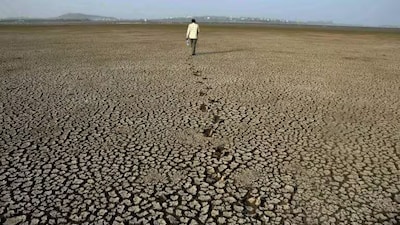
- •Nearly 10,000 farming families have migrated from Kurnool district due to severe crop failures, with 50,000 more expected to leave soon.
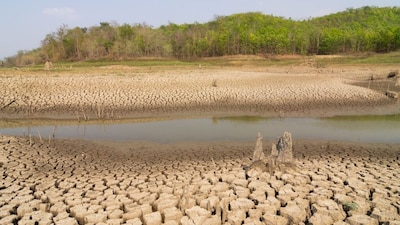
- •The crisis is driven by an El Nino-linked rainfall deficit, leaving over 80 percent of agricultural land in Kurnool without adequate water.
- •Farmers faced huge losses averaging Rs 50,000 per acre after investing heavily in rain-fed crops like cotton, red gram, and castor.
- •Migrating labourers and small landholders from 12 severely affected mandals are heading to major cities like Hyderabad, Bengaluru, and Chennai for daily wage work.
- •Farmers and agricultural unions argue that severe drought prevails across all 27 mandals, warning that excluded areas will miss out on crucial relief and subsidies.
Key Questions Answered
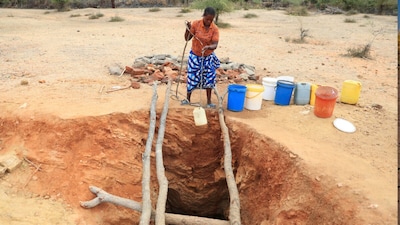
Nearly 10,000 farming families migrated from Andhra Pradesh's Kurnool district after experiencing severe crop failures caused by a massive rainfall deficit linked to the El Nino phenomenon. Withering crops and inadequate groundwater from deep borewells pushed farmers into heavy debts, forcing widespread migration.
The worst drought distress and mass migration are concentrated in 12 severely affected mandals, including Alur, Pathikonda, Aspari, Nandavaram, Kosigi, Chippagiri, Kowthalam, Yemmiganur, C Belagal, Kodumuru, Adoni, and Mantralayam. Kurnool's western divisions of Adoni, Yemmiganur, and Pathikonda face the most acute crisis.
While the state government included only 15 out of 27 mandals in the early Kharif drought notification, agricultural unions and farmers contend that severe drought prevails across all 27 mandals. They warned that excluded areas risk losing vital benefits like input subsidies, crop insurance claims, and loan rescheduling.