Stories
Delhi Govt Bans DTC Bus Strikes for 6 Months, Invokes ESMA After Service Disruption
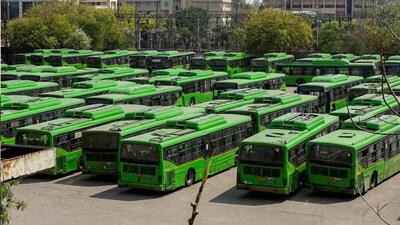
- •The Delhi government has prohibited strikes and agitations related to DTC and Cluster bus services for six months, invoking the Essential Services Maintenance Act (ESMA).
- •The ban follows a strike by DTC drivers that began on September 16, causing significant disruption to bus services across the national capital.
- •Commuters faced inconvenience due to reduced bus availability for nearly two weeks, prompting the government's intervention.
- •Drivers' main demands, including better wages and medical and social security benefits, remain pending despite the strike's easing.
- •Contractual drivers, who currently earn around Rs 747 per day, are demanding a minimum daily wage of Rs 2,000.
Key Questions Answered
The Delhi government banned DTC and Cluster bus strikes for six months after a driver strike starting September 16 caused severe service disruptions and commuter hardship across the capital. To combat the public transport crisis, authorities invoked the Essential Services Maintenance Act (ESMA).
Protesting drivers are demanding higher daily wages, implementation of basic dearness allowance (DA), medical facilities, overtime pay, and better social security benefits. Contractual drivers note they earn around Rs 747 per day compared to permanent staff and are demanding a minimum daily wage of Rs 2,000.
The ESMA order applies to regular employees, contractual workers, outsourced staff, and personnel working with private bus operators associated with DTC and Cluster bus operations.