Stories
Inside the Digital Tactics Used by Delhi Protesters to Evade Police Surveillance
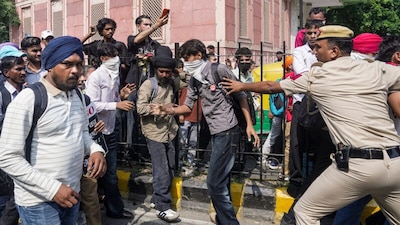
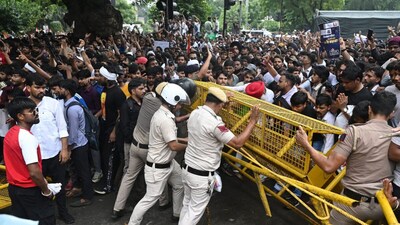
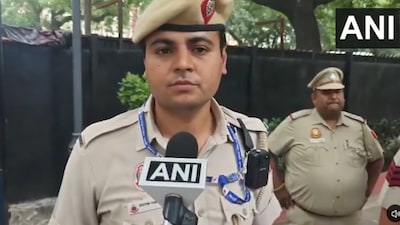
- •Protesters led by the Cockroach Janta Party in Delhi deployed advanced counter-surveillance tactics, encrypted channels, and decentralized communication strategies to outsmart police intelligence networks.
- •Organizers abandoned traditional public communication, instead relying on closed-loop messaging apps with disappearing messages, Signal groups, and disposable burner phones.
- •Demonstrators utilized a fluid, decentralized mobilization model, sharing shifting meeting points through encrypted channels minutes before assemblies to render static police plans redundant.
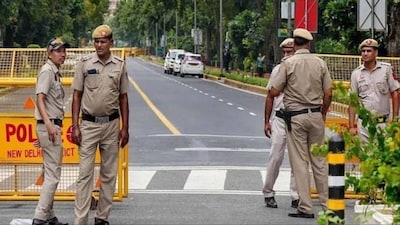
- •Key leaders used unregistered burner devices to protect contact lists and logistical details from being compromised during police seizures at checkpoints.
- •Activists enforced strict digital hygiene protocols, including clearing cache files and disabling biometric unlocks, while utilizing peer-to-peer offline tools to navigate network throttling.
Key Questions Answered
Protesters abandoned traditional communication lines and used closed-loop messaging apps with disappearing features, decentralised Signal groups, and secondary burner devices. Coordinators also disseminated shifting meeting points through encrypted channels only minutes before assemblies began to outmanoeuvre law enforcement.
To navigate targeted mobile network throttling and drone surveillance, participants relied on peer-to-peer offline messaging tools and virtual private networks. Student leaders and coordinators also switched to unregistered burner devices with temporary data plans to protect private contact lists and logistical details.
Activists established strict digital hygiene protocols by briefing grassroots participants to clear cache files, disable biometric unlock features, and avoid live broadcasts until safely away from security cordons. These steps protected critical data from being exposed if individuals were intercepted at border checkpoints or transit hubs.