Stories
Delhi Records Wettest October Day in Years While Mumbai Faces Heatwave
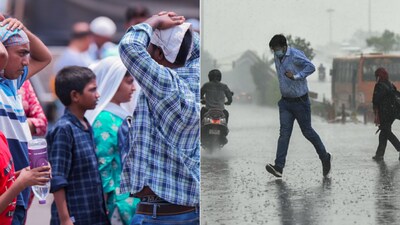
- •Delhi received 41.6 mm of rainfall in 24 hours, marking its wettest October day in four years and improving the AQI to the satisfactory band.
- •Mumbai endured record-breaking October temperatures, touching 38°C and prompting the city's first post-monsoon heatwave warning.
- •Meteorologists explain that these contrasting weather events are driven by localized systems like western disturbances in the north and an anticyclone in the west rather than El Niño directly.
- •Mumbai's air quality worsened due to sinking dry and dusty winds from Rajasthan, Pakistan, and the Middle East, compounded by a lack of post-monsoon showers.
- •Delhi's air quality relief is expected to be temporary, with forecasts predicting a shift to moderate and poor air quality levels in the coming days.
Key Questions Answered
Delhi recorded 41.6 mm of rainfall at Safdarjung ending Monday morning, marking its wettest October day in four years. The downpour successfully pulled the city's 24-hour Air Quality Index down to 83, placing it in the satisfactory band.
Mumbai's post-monsoon heatwave is driven by an anti-cyclonic circulation causing sinking air, which suppresses cloud cover and blocks the cooling sea breeze. This pattern led Santacruz to touch 38°C and prompted the IMD to issue the season's first heatwave warning.
No source attributes Delhi's rain directly to El Niño, and experts note that El Niño actually tends to weaken western disturbances. While El Niño indirectly worsens Mumbai's air quality by suppressing rain, the immediate cause of the city's heat is local atmospheric subsidence.