Stories
Turkish Airlines Dominates Global Connectivity, Outperforming Rivals with Strategic Hub
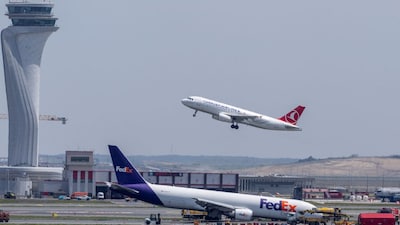
- •Turkish Airlines serves 133 countries, nearly 69% of UN-listed nations, making it the most globally connected airline despite a smaller fleet than major US carriers.
- •Istanbul, the hub for Turkish Airlines, was named the world's most connected airport by OAG, surpassing Dubai and Heathrow.
- •The airline's geographic advantage, spanning Europe and Asia, allows for extensive narrow-body operations into Europe and multiple flight banks, enhancing connectivity and flexibility.
- •Turkish Airlines leads in frequency to most top European and North American airports, even outperforming Emirates in many key markets.
- •The airline successfully navigated disruptions from the West Asia war and Russian airspace closures by utilizing its unique geographic position, maintaining operations to over 130 countries.
Key Questions Answered
Turkish Airlines serves 133 countries, making it the only carrier to fly to nearly 69 percent of all 193 United Nations-listed countries. This surpasses major US carriers and the Middle Eastern Big Three, such as Emirates, Etihad, and Qatar Airways.
Istanbul's strategic location at the crossroads of Europe and Asia places major points in Africa and almost all of Europe within the range of Turkish Airlines' narrow-body aircraft. This geographic advantage, combined with newer-generation wide-body aircraft, allows the airline to offer higher frequencies and multiple flight banks.
Turkish Airlines is restricted to one daily flight each to Mumbai and Delhi because Bilateral Air Services Agreements between India and Turkey have not been revised. Turkey's geopolitical position regarding Kashmir and Pakistan further complicates its efforts to secure additional flight rights.